Air fryers have revolutionized home cooking, offering a healthier, quicker way to achieve crispy, delicious results without excessive oil. As these versatile appliances become kitchen staples, a common question arises: can you use aluminum foil in an air fryer? The simple answer is often “yes,” but it comes with critical caveats and strict safety guidelines. While foil can offer convenience for cleaning and certain cooking tasks, improper use can lead to potential hazards like obstructed airflow, uneven cooking, or even fire. This comprehensive guide will delve into the nuances of using aluminum foil in your air fryer, ensuring you understand both the benefits and the vital precautions to keep your cooking safe and your food perfectly prepared.
Understanding Your Air Fryer: A Quick Overview
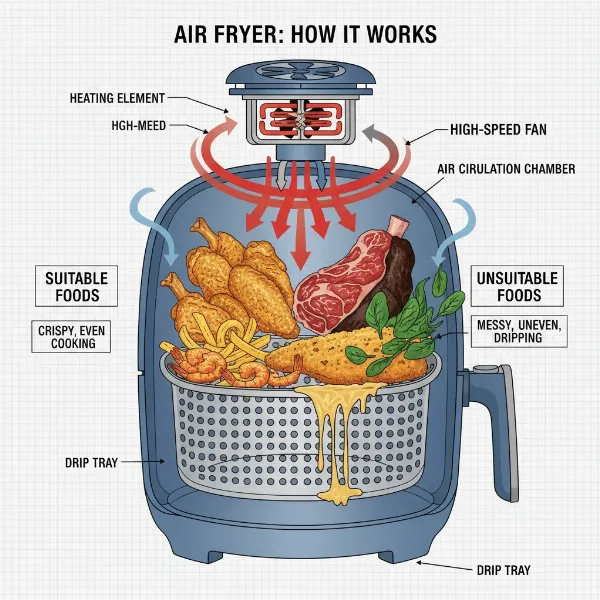
Before diving into the specifics of aluminum foil, it’s essential to grasp how an air fryer operates. An air fryer is essentially a compact convection oven, utilizing a powerful fan to circulate hot air rapidly around your food. This high-speed air circulation creates a “frying” effect, crisping exteriors while cooking interiors thoroughly, much like deep-frying but with significantly less oil. This principle of unrestricted hot air movement is paramount to the air fryer’s efficiency and is the primary factor dictating how and if you should introduce materials like aluminum foil. Any obstruction to this airflow can compromise cooking performance and potentially create safety issues.
The Verdict: Can You Use Aluminum Foil in an Air Fryer?
Many air fryer users wonder if aluminum foil is safe for their appliance, often receiving conflicting advice. The consensus among culinary experts and appliance manufacturers leans towards a cautious “yes,” under very specific conditions. Aluminum foil is generally oven-safe and can withstand the temperatures typically reached in an air fryer. However, the unique design of an air fryer, which relies heavily on circulating hot air, means that foil cannot be used in the same way it might be in a traditional oven. The key is to understand that while aluminum itself is heat-resistant, its placement and quantity within the air fryer are crucial.
The primary concern isn’t the foil melting or reacting with heat in general, but rather how it interferes with the appliance’s core function. Maytag, for instance, advises against using aluminum foil in countertop air fryers if it obstructs airflow, highlighting the distinction from larger oven ranges with air fry features. Therefore, rather than an outright ban, it’s a call for informed and responsible usage to ensure safety and optimal cooking performance.
Benefits of Using Aluminum Foil (When Done Correctly)
When used appropriately, aluminum foil can offer several advantages in your air frying routine:
- Easier Cleanup: This is perhaps the most significant benefit. Lining the basket or tray with foil, especially when cooking greasy or sticky foods like marinated chicken wings or cheesy bites, can significantly reduce the amount of scrubbing needed afterward.
- Prevents Drips and Spills: Foil acts as a barrier, catching any drips or overflow from foods, keeping the main basket or tray cleaner and preventing burnt-on messes that are tough to remove.
- Cooking Certain Foods: For dishes that require a temporary cover to prevent over-browning or to steam slightly before crisping, a small piece of foil can be useful. It can also help contain small, delicate items or foods with batters that might otherwise stick or fall through the basket.
- Shaping Food: Foil can be molded into small molds or pouches for baking individual servings or keeping certain components separate during cooking.
These benefits, however, should always be weighed against the potential risks and strictly adhere to best practices to ensure safety and maintain the air fryer’s efficiency.
Critical Safety Considerations and Risks
While aluminum foil offers convenience, its improper use in an air fryer carries several significant risks that users must be aware of. Neglecting these precautions can lead to poor cooking results, damage to your appliance, or even dangerous situations.
Airflow Obstruction
|
Our Picks for the Best Air fryer in 2026
As an Amazon Associate I earn from qualifying purchases.
|
||
| Num | Product | Action |
|---|---|---|
| 1 | Ninja - Air Fryer - 4-in-1 Pro Air Fry, Roast, Reheat, Dehydrate - 5QT Capacity fits up to 4lbs of French Fries - 400F Max Temp - Nonstick Basket & Crisper Plate - 120V - Grey - AF141 |

|
| 2 | Cosori 9-in-1 TurboBlaze Air Fryer 6 Qt, Premium Ceramic Coating, 90°–450°F, Precise Heating for Even Results, Air Fry, Roast, Bake, Broil, Dry, Frozen, Proof, Reheat, Keep Warm, 120V, Dark Gray |
|
| 3 | Ninja Crispi Pro 6-in-1 Glass Air Fryer - 450°F, Nontoxic, 6qt & 2.5qt Containers & Lids - Microwave, Freezer, Dishwasher Safe - Max Crisp, Air Fry, Bake, Roast, Recrisp, Dehydrate -Cyberspace AS101CY |
|
| 4 | Ninja - Air Fryer - 4 QT Capacity - 4-in1 Roast, Crisp, Roast, Reheats, & Dehydrates - Dishwasher Safe Parts - Includes 20 Easy & Healthy Recipes - Compact - Grey - AF101 |
|
| 5 | bella 4Qt Slim Air Fryer, Fits-anywhere™ Kitchenware, EverGood™ Ceramic Nonstick Coating, Adjustable Temperature, 6 Preset Cooking Options, 60 Min Auto Shutoff w Audible Tone, 3.3lb Capacity, Oatmilk |
|
| 6 | Cuisinart Air Fryer Toaster Oven, 1800W, 8-in-1 with Air Fry, Convection, Broil & Warm, 0.6 Cubic Feet, 60-Minute Timer, TOA-70NAS, Stainless Steel |
|
| 7 | Chefman TurboX 4-in-1 Air Fryer, 5-Quart Airfryer for Extra Crispy Chicken, Fries, Wings, and More, Air Fry, Bake, Reheat, and Frozen Functions, Digital Touch Controls, Dishwasher Safe |
|
| 8 | Ninja Air Fryer, 8 QT DoubleStack 2-Basket, Space Saving Design, Cooks 2lb Chicken Wings, Feeds up to 6 People, 6-in1 Air Fryer, Roast, Bake & More, Easy to Clean, Dishwasher Safe Parts, Black, SL201 |
|
| 9 | Chefman Air Fryer – 6 QT Compact Airfryer for Quick & Easy Meals in Minutes, Features Hi-Fry Technology for Extra Crisp, Touchscreen Controls with 4 Presets, Nonstick & Dishwasher Safe Basket - Black |
|
| 10 | Ninja - XL Single Basket Air Fryer - 5.5 QT Capacity fits 3lbs of Wings - 5-in-1Air Fry, Roast, Bake,Reheat & Dehydrate -Dishwasher Safe Parts & Recipe Guide - Grey -AF150AMZ |
|
The air fryer’s entire mechanism relies on unimpeded hot air circulation. If aluminum foil covers too much of the basket or tray, it blocks this essential airflow. This can lead to food that is unevenly cooked, soggy rather than crispy, or raw in spots. More critically, restricted airflow can cause the appliance to overheat, potentially damaging internal components or shortening its lifespan.
Fire Hazard
A very real danger exists if lightweight aluminum foil is used improperly. If the foil is not adequately weighted down by food, the powerful fan inside the air fryer can lift it. Loose foil can then come into direct contact with the heating element. This can cause the foil to catch fire, leading to a serious kitchen incident. Never preheat an empty air fryer with loose foil inside.
Chemical Reaction with Acidic Foods
Aluminum is a reactive metal. When exposed to highly acidic foods like tomatoes, citrus fruits (lemons, limes, oranges), vinegar, or certain marinades, a chemical reaction can occur. This reaction can cause small amounts of aluminum to leach into your food, which some health experts advise against. It can also impart an metallic off-flavor to your dish. For these types of foods, it is best to opt for alternative liners.
Uneven Cooking
Even if not a safety hazard, improperly placed foil can significantly impact the quality of your food. By blocking the hot air from reaching all surfaces, especially the bottom of the food, the foil can prevent proper browning and crisping, defeating the primary purpose of an air fryer.
Manufacturer Guidelines
Always, without exception, consult your air fryer’s user manual. Different models and brands may have specific recommendations or prohibitions regarding the use of aluminum foil. Some manufacturers might explicitly forbid it, while others offer detailed instructions for safe use. Ignoring these guidelines could void your warranty or, more importantly, compromise safety.
Best Practices for Safe and Effective Foil Use
If you choose to use aluminum foil in your air fryer, adhering to these best practices is crucial for both safety and optimal cooking results:
Use Sparingly and Smartly
Only use enough foil to line the area directly beneath your food. Avoid covering the entire bottom of the basket or tray. The goal is to catch drips or contain food, not to create a solid barrier. Shape the foil snugly around the food or dish it’s supporting.
Ensure Proper Air Circulation
This is the golden rule. Never block the vents or the majority of the basket’s perforations. If using foil, ensure there’s still ample space for hot air to circulate freely around and under your food. For items that require some airflow from below, consider poking small holes in the foil where the food will rest.
Secure the Foil
Always ensure the foil is weighted down by the food itself. Never place an empty or lightly loaded piece of foil into a preheating or active air fryer, as the fan can easily blow it around, potentially causing a fire. Make sure the foil edges are tucked in and not flapping freely.
Avoid Acidic Ingredients
Steer clear of cooking highly acidic foods directly on aluminum foil in your air fryer. This includes dishes containing tomatoes, lemons, limes, vinegar, or acidic marinades, which can react with the aluminum. For these foods, opt for parchment paper or silicone liners.
Proper Placement
Ensure the aluminum foil does not touch the heating elements, which are typically located at the top of the air fryer. Keep the foil confined to the basket or tray, well below the heating coils, to prevent any direct contact or short-circuiting.
When to Avoid Aluminum Foil Entirely
There are specific scenarios where using aluminum foil in your air fryer is best avoided altogether, regardless of how carefully you try to apply it:
- Lightweight Foods: If you’re air frying very light items that won’t adequately weigh down the foil, it’s safer to avoid using it. The risk of the foil being lifted by the fan and coming into contact with the heating element is too high.
- High Heat Settings for Long Periods: While foil can withstand high temperatures, prolonged exposure, especially when close to the heating element, increases the risk of the foil degrading or reacting with certain elements in the food.
- Acidic Foods: As discussed, for any recipes involving highly acidic ingredients, choose a different liner to prevent chemical leaching and potential metallic flavors.
- When Your Manual Says No: If your air fryer’s manufacturer explicitly states not to use aluminum foil, respect that instruction. It indicates a design or material consideration specific to your appliance that makes foil unsafe.
Excellent Alternatives to Aluminum Foil
Fortunately, if you’re concerned about using aluminum foil or if your recipe calls for alternatives, several excellent options are available that can offer similar benefits without the associated risks:
- Parchment Paper Liners: These are a fantastic alternative, especially those specifically designed for air fryers that come with pre-cut holes to maintain airflow. They prevent sticking and make cleanup easy. Ensure the paper is weighted down by food and doesn’t flap around.
- Silicone Liners/Mats: Reusable silicone liners and mats are durable, non-stick, and heat-resistant. Many are perforated to allow for optimal air circulation. They are easy to clean and an eco-friendly choice.
- Air Fryer Safe Dishes: Small, oven-safe dishes made from glass, ceramic, or silicone can be used in your air fryer. These are perfect for casseroles, baked goods, or anything liquid that needs to be contained. Always ensure they fit properly and do not obstruct airflow.
- Direct Use of the Basket: For many foods, especially those tossed with a little oil, cooking directly in the air fryer basket is the best option. The open design allows maximum air circulation, leading to the crispiest results. Cleaning the non-stick basket is often simpler than you might think.
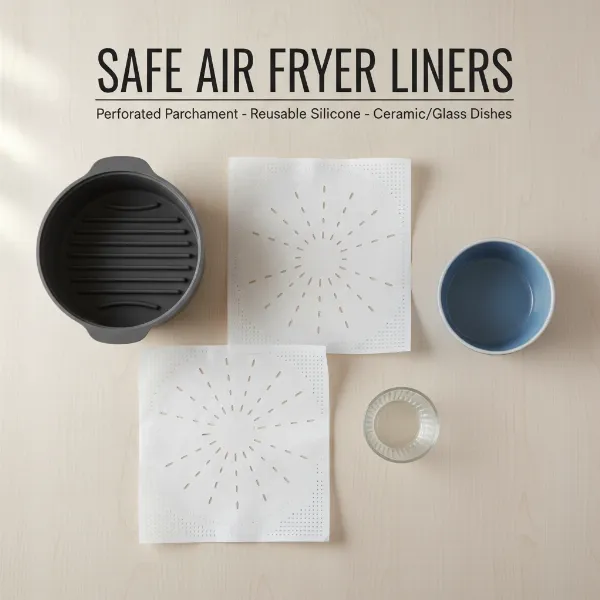 Various air fryer liners including parchment paper, silicone mat, and a small oven-safe dish.
Maintaining Your Air Fryer: Beyond Foil
Proper maintenance of your air fryer ensures its longevity and continues to deliver excellent cooking results. Regular cleaning is crucial, whether you use foil or not. After each use, allow the basket and tray to cool completely before washing them with warm, soapy water. Most baskets are non-stick and can be easily cleaned with a soft sponge. For stubborn, baked-on residue, soaking can help. Always ensure all components are thoroughly dry before reassembling. Regularly check the heating element for any accumulated grease or food particles, cleaning them gently if necessary.
“When it comes to air frying, air circulation is king. Any barrier, even aluminum foil, must be used judiciously to avoid creating a steamy environment or, worse, a fire hazard. Always prioritize safety and your appliance’s design.” – Chef Elena Rodriguez, Culinary Technology Expert
Conclusion
The question of whether you can put aluminum foil in an air fryer doesn’t have a simple yes or no answer. While aluminum foil can be a convenient tool for easier cleanup and specific cooking tasks, its use demands careful consideration and adherence to strict safety guidelines. The core principle of air frying – rapid hot air circulation – must never be compromised. By understanding the risks of obstructed airflow, chemical reactions with acidic foods, and potential fire hazards, and by following best practices like using foil sparingly, securing it, and knowing when to avoid it, you can safely integrate it into your air frying routine. Alternatively, excellent and often safer options like parchment paper or silicone liners are readily available. Ultimately, always prioritize safety, consult your appliance’s manual, and cook with confidence. What’s your go-to method for keeping your air fryer clean while still achieving perfectly crispy results?
Frequently Asked Questions
Can I put foil on the bottom of my air fryer basket?
It is generally not recommended to line the entire bottom of your air fryer basket with foil, as this significantly blocks airflow and can lead to uneven cooking or overheating. If you must use foil, only place it directly under the food and ensure ample space for air circulation.
What foods should I avoid cooking with foil in an air fryer?
Avoid using aluminum foil when cooking highly acidic foods like tomatoes, lemons, limes, or vinegar-based marinades. These ingredients can react with the aluminum, potentially causing chemical leaching into your food and imparting an unpleasant metallic taste.
Can foil catch fire in an air fryer?
Yes, lightweight or unsecured aluminum foil can pose a fire hazard in an air fryer. The powerful fan can lift loose foil, causing it to come into direct contact with the heating element, which can ignite it. Always ensure foil is weighted down by food and never preheat an empty air fryer with foil inside.
Are air fryer paper liners better than foil?
Air fryer paper liners, especially those with perforations, are often a safer and more effective alternative to aluminum foil. They offer similar benefits for easy cleanup while being designed to allow better air circulation, reducing the risk of uneven cooking and fire hazards.
How does foil affect air fryer cooking performance?
Foil can negatively affect cooking performance by blocking the hot air circulation crucial for air frying. This can result in food that is less crispy, unevenly cooked, or takes longer to cook. It can also create a steamy environment instead of the desired dry, hot airflow.