Air fryers have revolutionized home cooking, promising delicious, crispy results with less oil. Yet, one common question often leaves home cooks scratching their heads: should you preheat your air fryer, or can you just toss in your food and go? The answer isn’t a simple yes or no. Understanding when and why to preheat, or when to skip this step, is the secret to unlocking your air fryer’s full potential and achieving consistently perfect meals. This comprehensive guide will clarify the nuances of air fryer preheating, helping you make informed decisions for every dish you prepare.
The Essentials of Air Fryer Preheating
Just like a traditional oven, preheating an air fryer means allowing the appliance to reach the desired cooking temperature before you introduce your food. While air fryers heat up significantly faster than conventional ovens, this initial warm-up phase can make a remarkable difference in the final outcome of your culinary creations.
Why Preheat? The Benefits
Ignoring the preheating step might seem like a time-saver, but for many dishes, it’s a crucial part of achieving optimal results. Here’s why preheating can be your best ally in the kitchen:
- Consistent Cooking Temperature: A preheated air fryer ensures that your food begins cooking at the optimal temperature from the very start. This consistency is vital for even cooking, preventing some parts of your dish from being undercooked while others are overdone.
- Enhanced Crispness and Browning: The rapid, high heat of a preheated air fryer promotes the Maillard reaction—a chemical process responsible for the golden-brown color and irresistible crispy texture we crave in fried foods. When food hits an already hot surface, it immediately begins to sear and crisp, creating a superior exterior on items like French fries, chicken wings, and breaded snacks.
- Faster Overall Cooking Time: While it might seem counterintuitive to add a preheating step, starting with a hot air fryer means your food begins cooking instantly. This can actually reduce the overall cooking time compared to placing food in a cold air fryer, which first needs to warm up with the food inside.
- Better Searing for Meats: For meats like steaks, burgers, or pork chops, preheating is essential for achieving a beautiful sear and crust without overcooking the interior. The immediate high heat locks in juices and develops rich flavors on the surface.
- Proper Baking Results: If you’re using your air fryer for baking—think muffins, cakes, or cookies—preheating is just as important as it is for a conventional oven. Consistent heat from the outset ensures baked goods rise evenly and cook through properly, preventing dense or underbaked centers.
|
Our Picks for the Best Air fryer in 2026
As an Amazon Associate I earn from qualifying purchases.
|
||
| Num | Product | Action |
|---|---|---|
| 1 | Cuisinart Air Fryer Toaster Oven, 1800W, 8-in-1 with Air Fry, Convection, Broil & Warm, 0.6 Cubic Feet, 60-Minute Timer, TOA-70NAS, Stainless Steel |

|
| 2 | Ninja - Air Fryer - 4 QT Capacity - 4-in1 Roast, Crisp, Roast, Reheats, & Dehydrates - Dishwasher Safe Parts - Includes 20 Easy & Healthy Recipes - Compact - Grey - AF101 |
|
| 3 | Chefman TurboX 4-in-1 Air Fryer, 5-Quart Airfryer for Extra Crispy Chicken, Fries, Wings, and More, Air Fry, Bake, Reheat, and Frozen Functions, Digital Touch Controls, Dishwasher Safe |
|
| 4 | Chefman Air Fryer – 6 QT Compact Airfryer for Quick & Easy Meals in Minutes, Features Hi-Fry Technology for Extra Crisp, Touchscreen Controls with 4 Presets, Nonstick & Dishwasher Safe Basket - Black |
|
| 5 | Ninja - Air Fryer - 4-in-1 Pro Air Fry, Roast, Reheat, Dehydrate - 5QT Capacity fits up to 4lbs of French Fries - 400F Max Temp - Nonstick Basket & Crisper Plate - 120V - Grey - AF141 |
|
| 6 | bella 4Qt Slim Air Fryer, Fits-anywhere™ Kitchenware, EverGood™ Ceramic Nonstick Coating, Adjustable Temperature, 6 Preset Cooking Options, 60 Min Auto Shutoff w Audible Tone, 3.3lb Capacity, Oatmilk |
|
| 7 | Ninja - XL Single Basket Air Fryer - 5.5 QT Capacity fits 3lbs of Wings - 5-in-1Air Fry, Roast, Bake,Reheat & Dehydrate -Dishwasher Safe Parts & Recipe Guide - Grey -AF150AMZ |
|
| 8 | Ninja Air Fryer, 8 QT DoubleStack 2-Basket, Space Saving Design, Cooks 2lb Chicken Wings, Feeds up to 6 People, 6-in1 Air Fryer, Roast, Bake & More, Easy to Clean, Dishwasher Safe Parts, Black, SL201 |
|
| 9 | Cosori 9-in-1 TurboBlaze Air Fryer 6 Qt, Premium Ceramic Coating, 90°–450°F, Precise Heating for Even Results, Air Fry, Roast, Bake, Broil, Dry, Frozen, Proof, Reheat, Keep Warm, 120V, Dark Gray |
|
| 10 | Ninja Crispi Pro 6-in-1 Glass Air Fryer - 450°F, Nontoxic, 6qt & 2.5qt Containers & Lids - Microwave, Freezer, Dishwasher Safe - Max Crisp, Air Fry, Bake, Roast, Recrisp, Dehydrate -Cyberspace AS101CY |
|
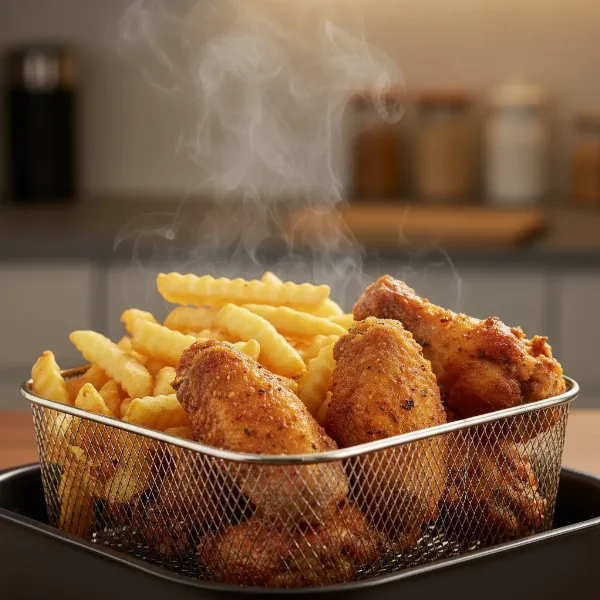 Golden-brown crispy chicken wings and french fries perfectly cooked in an air fryer.
How to Preheat Your Air Fryer
Preheating an air fryer is a straightforward process that typically takes only a few minutes. While some models feature a dedicated “preheat” button, the general method is universal.
Simple Steps to Preheat:
- Plug In and Set Temperature: Connect your air fryer to power and set it to the temperature specified in your recipe.
- Set Timer (if no preheat function): If your air fryer doesn’t have a dedicated preheat setting, simply set the timer for 3 to 5 minutes.
- Run Empty: Allow the air fryer to run empty with its basket or tray inside for the set duration.
- Wait for Notification: If your model has a preheat function, it will usually beep or display a message when it has reached the target temperature. If you’re using the manual timer method, once the time is up, your air fryer is ready.
- Add Food: Carefully place your food into the hot basket or on the tray and begin your main cooking cycle.
Most air fryers can reach their target temperature within 2 to 5 minutes, significantly faster than a traditional oven.
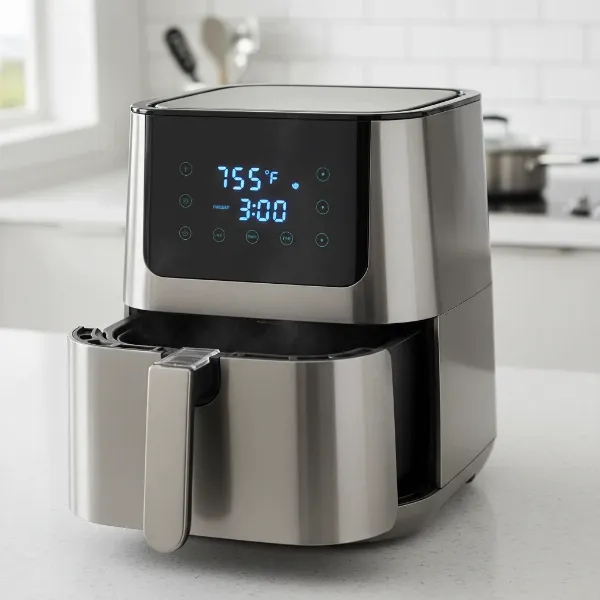 Modern digital air fryer displaying temperature and timer during the preheating cycle.
When Preheating is Your Best Friend (Foods That Benefit)
For certain foods, preheating isn’t just a suggestion; it’s the key to achieving the desired texture and flavor. Here are the types of dishes that truly shine with a preheated air fryer:
- Crispy Frozen Foods: Items like frozen French fries, onion rings, mozzarella sticks, chicken nuggets, and spring rolls develop an incredibly crispy, golden exterior when dropped into a preheated basket.
- Meats for Searing: Steaks, hamburgers, salmon fillets, and pork chops benefit immensely from initial high heat, which creates a flavorful crust and keeps the interior juicy.
- Hand-Breaded Items: Anything with a coating, such as homemade chicken tenders or fish fillets, will achieve a firmer, crispier crust when the air fryer is already hot, preventing the breading from becoming soggy.
- Baked Goods: Cookies, muffins, small cakes, and quick breads rely on immediate, consistent heat to rise properly and cook evenly.
- Certain Vegetables: Roasted vegetables like Brussels sprouts or broccoli can achieve a beautiful char and tender-crisp texture.
- Reheating for Crispness: If you’re reheating leftovers like pizza slices or fried chicken and want to restore their original crispiness, a preheated air fryer is the way to go.
- Following Recipe Instructions: Always defer to your recipe. If a recipe specifically calls for preheating, it’s typically for a good reason, tailored to achieve specific results.
When You Can Confidently Skip Preheating
While preheating is often beneficial, it’s not always necessary. There are situations where skipping this step can save you time and energy without compromising the quality of your meal. Knowing these exceptions can make your air frying experience even more efficient.
- Foods That Don’t Rely on Crispness: For dishes where a crispy exterior isn’t the primary goal, such as casseroles, soft rolls, or delicate pastries, starting with a cold air fryer is perfectly acceptable.
- Low-Temperature Cooking: Recipes that involve dehydrating fruits, slow roasting, or simply melting cheese typically don’t require the high initial temperatures that necessitate preheating.
- Thick, Raw Meats or Roasts: When cooking larger cuts of meat, like thick chicken breasts or a small roast, starting in a cold air fryer can sometimes be advantageous. This allows the heat to penetrate more gradually, reducing the risk of the exterior overcooking or burning before the center is thoroughly cooked.
- Some Frozen Foods (Depends on Desired Outcome): While many frozen foods benefit from preheating, some quickly cooked items, such as tater tots, might yield satisfactory results without preheating, possibly requiring just an extra minute or two of cooking time.
- Reheating for Simple Warming: If you’re merely warming up food and crispiness isn’t a concern, you can skip preheating. The air fryer will still heat up quickly enough to warm your meal.
- Advanced or Fast-Heating Models: Some modern air fryer models are designed to heat incredibly fast and maintain even temperature distribution without explicit preheating. Consult your appliance’s manual to see if this applies to your specific unit.
- Using Parchment Paper: If you plan to use parchment paper or foil liners in your air fryer basket, it’s generally best to avoid preheating. An empty, hot air fryer with lightweight paper can cause the paper to fly up, potentially contacting the heating element and posing a fire hazard. Add food to secure the liner before starting.
- When Time is of the Essence (with Adjustments): If you’re truly short on time, for many common foods, you can skip preheating and simply add an extra 2-3 minutes to the total cooking time to account for the initial warm-up phase. However, always check for doneness.
Tips for Optimal Air Frying (Whether You Preheat or Not)
Mastering your air fryer involves more than just preheating. Here are some universal tips to ensure delicious results every time:
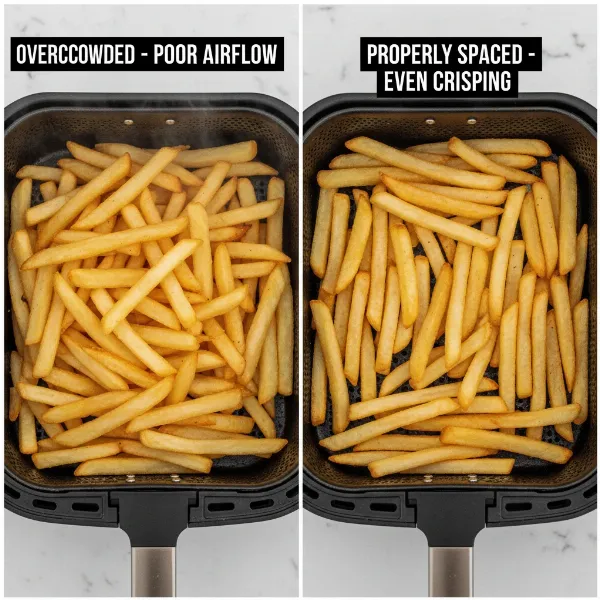
- Don’t Overcrowd the Basket: For proper air circulation and even cooking, avoid cramming too much food into the air fryer. Cook in batches if necessary.
- Shake or Flip Food: Mid-way through cooking, shake the basket or flip larger items to expose all surfaces to the hot air, promoting uniform crispness and browning.
- Use Minimal Oil for Fresh Ingredients: A light spritz or a toss with a teaspoon of oil is often all that’s needed for fresh foods to achieve a crispy texture. For many frozen items, no additional oil is required.
- Check for Doneness: Always use a food thermometer for meats and poultry, and visually inspect other foods, especially when trying new recipes or adjusting for preheating variations.
- Clean Regularly: A clean air fryer performs better and lasts longer. Refer to your manual for cleaning instructions.
Conclusion
The question of whether to preheat your air fryer isn’t about rigid rules, but about understanding the science of cooking and the desired outcome for your dish. While preheating is a simple step that offers significant benefits for achieving unparalleled crispness, even cooking, and perfect searing, it’s also a step you can confidently skip for a range of foods without compromising quality. By recognizing when to embrace preheating and when to opt for a cold start, you empower yourself to master your air fryer, transforming everyday meals into culinary successes. Experiment with your favorite foods and air fryer model to discover the methods that yield the best results for your kitchen.
What’s your go-to dish that always benefits from a preheated air fryer?
Frequently Asked Questions
Is preheating an air fryer always necessary?
No, preheating an air fryer is not always necessary. It largely depends on the type of food you’re cooking and the desired results. While essential for achieving crispness, searing, and even baking, it can be skipped for foods like reheating leftovers, low-temperature cooking, or thick raw meats where immediate high heat might overcook the exterior.
How long does it take to preheat an air fryer?
Most air fryers typically take a mere 2 to 5 minutes to preheat to the desired temperature, making them much faster than conventional ovens. The exact time can vary slightly depending on your specific model and the target temperature.
What happens if I don’t preheat my air fryer?
If you skip preheating, your food may experience uneven cooking, less crisp results, and potentially longer overall cooking times. The appliance will spend the initial minutes warming up to the set temperature while your food is already inside, delaying the cooking process and affecting texture development.
Can I put food in a cold air fryer?
Yes, you can place food in a cold air fryer, particularly for items that don’t require an immediate blast of heat for crisping, such as some frozen foods, casseroles, or when simply reheating. However, be prepared to adjust cooking times and expect a potentially less consistent texture compared to preheating.
Should I preheat my air fryer for frozen foods?
For many frozen foods, especially those designed to be crispy like French fries, chicken nuggets, or spring rolls, preheating your air fryer is highly recommended. This ensures they cook evenly and achieve that desirable golden-brown, crispy exterior much more effectively than starting in a cold basket.