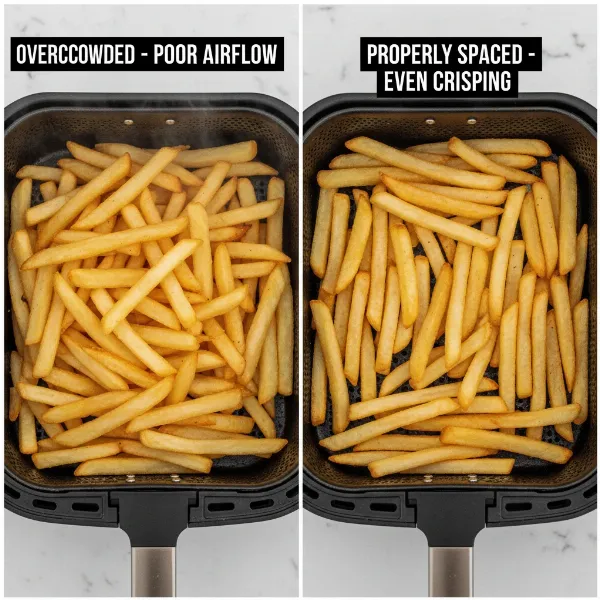
The air fryer has revolutionized home cooking, offering a quick and convenient way to achieve perfectly crispy results with minimal oil. From succulent chicken wings to golden-brown French fries, its popularity is undeniable. But for vegetable enthusiasts, a common challenge emerges: how to air fry vegetables to a tender-crisp perfection without them drying out into flavorless husks? It’s a delicate balance of heat, timing, and preparation, and mastering it can transform your weekly meals.
This comprehensive guide delves into the secrets of air frying vegetables, ensuring every bite is bursting with flavor and the ideal texture. We’ll explore crucial preparation steps, optimal air fryer settings, and expert techniques to prevent moisture loss, helping you achieve delectable, healthy sides every time. Say goodbye to dry, dull veggies and hello to a vibrant world of air-fried goodness.
The Air Fryer Advantage: Why It’s Perfect for Vegetables
An air fryer is essentially a compact convection oven. It works by rapidly circulating hot air around your food, creating a powerful cooking environment that mimics deep frying without submerging food in oil. This process delivers that coveted crispy exterior, making it an ideal tool for transforming humble vegetables into exciting, flavorful dishes.
For vegetables, the air fryer offers several distinct advantages. It cooks them significantly faster than a traditional oven, making it perfect for busy weeknights. The intense, even heat promotes caramelization, enhancing their natural sweetness and creating appealing textures. You can achieve a delightful crispness on the outside while maintaining tenderness on the inside, a texture often difficult to get with other cooking methods. Furthermore, it allows for a lighter, healthier approach to “roasting” or “frying” vegetables, using only a fraction of the oil typically required. However, this same powerful airflow, if not managed correctly, can also be the culprit behind dried-out vegetables. The key lies in understanding how to harness this power to preserve moisture.
Essential Preparation Steps for Moist & Flavorful Air-Fried Veggies
The journey to perfectly air-fried vegetables begins long before they enter the basket. Thoughtful preparation is paramount to ensure they emerge tender, flavorful, and never dry.
Choosing the Right Vegetables and Their Condition
|
Our Picks for the Best Air fryer in 2026
As an Amazon Associate I earn from qualifying purchases.
|
||
| Num | Product | Action |
|---|---|---|
| 1 | Ninja - Air Fryer - 4 QT Capacity - 4-in1 Roast, Crisp, Roast, Reheats, & Dehydrates - Dishwasher Safe Parts - Includes 20 Easy & Healthy Recipes - Compact - Grey - AF101 |

|
| 2 | Ninja Crispi Pro 6-in-1 Glass Air Fryer - 450°F, Nontoxic, 6qt & 2.5qt Containers & Lids - Microwave, Freezer, Dishwasher Safe - Max Crisp, Air Fry, Bake, Roast, Recrisp, Dehydrate -Cyberspace AS101CY |
|
| 3 | Chefman TurboX 4-in-1 Air Fryer, 5-Quart Airfryer for Extra Crispy Chicken, Fries, Wings, and More, Air Fry, Bake, Reheat, and Frozen Functions, Digital Touch Controls, Dishwasher Safe |
|
| 4 | Cuisinart Air Fryer Toaster Oven, 1800W, 8-in-1 with Air Fry, Convection, Broil & Warm, 0.6 Cubic Feet, 60-Minute Timer, TOA-70NAS, Stainless Steel |
|
| 5 | Ninja - Air Fryer - 4-in-1 Pro Air Fry, Roast, Reheat, Dehydrate - 5QT Capacity fits up to 4lbs of French Fries - 400F Max Temp - Nonstick Basket & Crisper Plate - 120V - Grey - AF141 |
|
| 6 | Cosori 9-in-1 TurboBlaze Air Fryer 6 Qt, Premium Ceramic Coating, 90°–450°F, Precise Heating for Even Results, Air Fry, Roast, Bake, Broil, Dry, Frozen, Proof, Reheat, Keep Warm, 120V, Dark Gray |
|
| 7 | bella 4Qt Slim Air Fryer, Fits-anywhere™ Kitchenware, EverGood™ Ceramic Nonstick Coating, Adjustable Temperature, 6 Preset Cooking Options, 60 Min Auto Shutoff w Audible Tone, 3.3lb Capacity, Oatmilk |
|
| 8 | Ninja Air Fryer, 8 QT DoubleStack 2-Basket, Space Saving Design, Cooks 2lb Chicken Wings, Feeds up to 6 People, 6-in1 Air Fryer, Roast, Bake & More, Easy to Clean, Dishwasher Safe Parts, Black, SL201 |
|
| 9 | Chefman Air Fryer – 6 QT Compact Airfryer for Quick & Easy Meals in Minutes, Features Hi-Fry Technology for Extra Crisp, Touchscreen Controls with 4 Presets, Nonstick & Dishwasher Safe Basket - Black |
|
| 10 | Ninja - XL Single Basket Air Fryer - 5.5 QT Capacity fits 3lbs of Wings - 5-in-1Air Fry, Roast, Bake,Reheat & Dehydrate -Dishwasher Safe Parts & Recipe Guide - Grey -AF150AMZ |
|
While almost any vegetable can be air-fried, some yield better results. Heartier vegetables like broccoli, cauliflower, Brussels sprouts, carrots, potatoes, bell peppers, and root vegetables hold up exceptionally well to the intense heat, developing a lovely char and tender interior. Softer vegetables like asparagus, zucchini, and mushrooms also fare well but require shorter cooking times and careful monitoring to avoid overcooking.
When it comes to condition, fresh is always best. Fresh vegetables offer superior texture and flavor, and their natural moisture content is easier to manage. While it’s possible to air fry frozen vegetables, they often release excess water, making them steam rather than crisp, and can result in a less caramelized, less appealing texture. If using frozen, allow them to thaw and pat them thoroughly dry before seasoning to encourage browning.
Proper Cutting Techniques for Uniformity
Consistency is key in air frying. To ensure all your vegetable pieces cook evenly and reach the desired doneness simultaneously, they must be cut into uniform sizes. Unevenly sized pieces will lead to some being perfectly cooked while others are either raw or dried out. Aim for bite-sized pieces, generally between 1/2 to 1 inch for most vegetables. Thicker, denser vegetables like potatoes and carrots might benefit from slightly smaller cuts than softer ones like bell peppers. This uniformity allows the hot air to circulate around each piece effectively, promoting even cooking and preventing any single piece from drying out due to prolonged exposure.
The Magic of Oil: Type, Quantity, and Application for Moisture Retention
Oil is your best friend when air frying vegetables, serving multiple crucial roles in preventing dryness and enhancing flavor. It helps conduct heat, ensuring even cooking and promoting browning and crispness. Most importantly, it creates a protective barrier that seals in the vegetables’ natural moisture, preventing them from becoming leathery and dry.
- Type of Oil: Choose oils with a high smoke point, such as avocado oil, olive oil (extra virgin is fine for air frying as temperatures are usually below its smoke point, but regular or light olive oil also works), grapeseed oil, or canola oil. These oils can withstand the air fryer’s high temperatures without burning and imparting a bitter taste.
- Quantity: This is where many go wrong. Too little oil leaves vegetables vulnerable to drying, while too much makes them greasy and prevents crisping. The goal is a light, even coating. For a typical batch of mixed vegetables (about 1 pound), 1 to 2 tablespoons of oil is usually sufficient.
- Application: The best way to apply oil is by drizzling it over the vegetables in a large bowl and then tossing them vigorously with your hands or tongs until every piece is lightly coated. Alternatively, a cooking spray, especially one with avocado oil, can provide an excellent, even coating without excess. As Chef Catherine McCord points out, “what’s great about the spray is that it evenly just kind of kisses each nook and cranny of the vegetables,” leading to “nice golden bits making them really crispy on the outside but soft and tender inside.” This even distribution is vital for both crispiness and moisture retention.
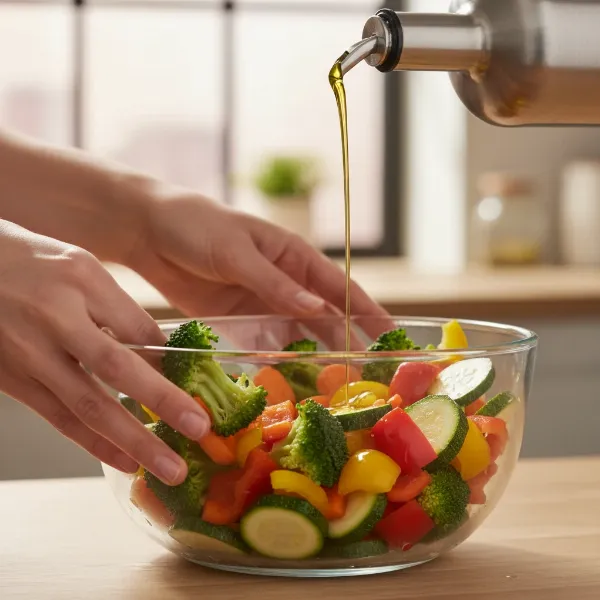 Hands tossing vibrant mixed vegetables with olive oil in a glass bowl, ensuring even coating.
Seasoning for Taste and Texture
Seasoning not only elevates the flavor of your air-fried vegetables but can also contribute to their texture. Simple salt and black pepper are always a good start, but don’t stop there. Garlic powder, onion powder, paprika (sweet or smoked), Italian seasoning, cumin, curry powder, and chili flakes are all excellent choices. For an extra layer of flavor and moisture, consider a simple marinade with a touch of acid like lemon juice or vinegar, ensuring you still apply a light oil coating afterward. The seasonings adhere better to lightly oiled vegetables, distributing flavor evenly and ensuring every bite is delicious.
Mastering Your Air Fryer: Settings and Techniques for Tender Results
Once your vegetables are prepped and seasoned, the next phase involves harnessing your air fryer’s power with precision. Proper settings and techniques are crucial for achieving that ideal tender-crisp balance without venturing into dry territory.
Preheating: Why It Matters and Recommended Temperatures
Preheating your air fryer is a non-negotiable step for optimal results. Just like a traditional oven, preheating ensures that when the food enters the cooking chamber, it’s immediately exposed to the desired high temperature. This instant heat exposure helps to rapidly crisp the exterior of the vegetables while locking in moisture. Skipping this step can lead to longer cooking times, uneven results, and a higher chance of your vegetables drying out as they slowly come up to temperature.
Most recipes for air-fried vegetables recommend preheating your air fryer to a range of 375°F to 400°F (190°C to 200°C). This high heat is ideal for achieving a good char and crispiness quickly, minimizing the time vegetables spend in the dry heat and thus reducing the risk of dehydration. Always consult your air fryer’s manual, as preheating times can vary, but generally, 3-5 minutes is sufficient.
Optimal Loading: The “Single Layer” Rule and Avoiding Overcrowding
This is perhaps one of the most critical rules for successful air frying, especially when aiming for tender, crispy vegetables that aren’t dried out or mushy. Air fryers work by circulating hot air. For this hot air to do its job effectively, it needs to reach every surface of every piece of food.
Therefore, always arrange your seasoned vegetables in a single layer in the air fryer basket. Ensure there’s a little space between each piece. Overcrowding the basket obstructs airflow, causing the vegetables to steam instead of air fry. Steamed vegetables will be soft and potentially mushy, and without proper air circulation, they will also take longer to cook, increasing the likelihood of drying out unevenly. If you have a large batch of vegetables, it’s far better to cook them in two or more smaller batches. Patience here pays off in superior texture and flavor.
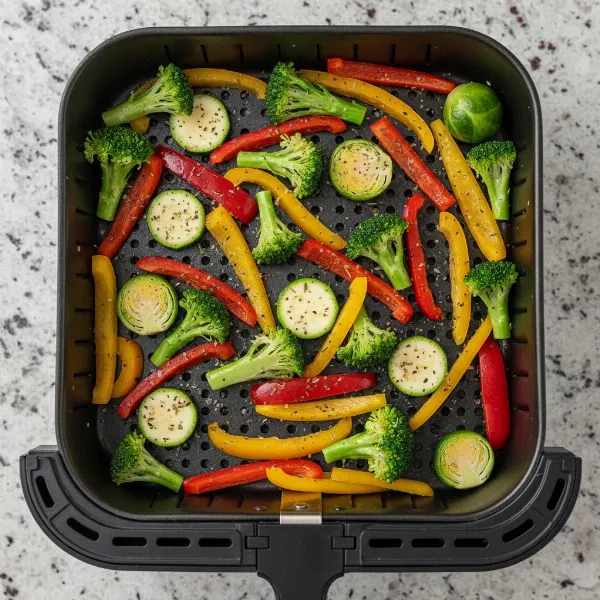 Air fryer basket filled with a single, evenly spaced layer of colorful chopped vegetables.
Cooking Times: General Guidelines and Specific Examples
Cooking times for vegetables in an air fryer can vary significantly based on the type of vegetable, its cut size, your air fryer model, and your desired level of crispness. However, a good starting point for most vegetables at 375-400°F is typically 8 to 15 minutes.
Here are some general guidelines for common vegetables:
- Broccoli & Cauliflower Florets: 10-15 minutes at 375°F (190°C).
- Bell Peppers & Onions (sliced): 8-12 minutes at 400°F (200°C).
- Zucchini & Yellow Squash (sliced/cubed): 8-10 minutes at 375°F (190°C) – these cook faster and can dry out quickly.
- Asparagus Spears: 7-10 minutes at 380°F (195°C).
- Carrots & Potatoes (cubed): 15-20 minutes at 400°F (200°C) – denser veggies need more time.
- Brussels Sprouts (halved): 12-18 minutes at 375°F (190°C).
Always start with the lower end of the time range and check frequently.
The Importance of Shaking/Tossing the Basket
To ensure even cooking and browning on all sides, it’s crucial to remove the air fryer basket and give it a good shake or toss halfway through the cooking process. This redistributes the vegetables, exposing different surfaces to the circulating hot air. This simple action prevents one side from becoming overly crisp or dried out while another remains undercooked, guaranteeing uniform tenderness and crispness. If you’re cooking larger or more delicate vegetables, you might prefer to use tongs to gently turn them instead of a vigorous shake.
Monitoring for Doneness: How to Tell When They’re Perfect
The best way to prevent dry vegetables is to avoid overcooking them. Keep a close eye on your food as it cooks, especially towards the end of the suggested cooking time. Vegetables are done when they are tender when pierced with a fork but still have a slight “bite” or crispness. They should show signs of golden-brown caramelization on the exterior. If they appear shriveled, overly browned, or have lost their vibrant color, they might be overcooked and dried out. Trust your senses – sight, touch, and even smell – to determine perfection.
Troubleshooting Dry or Unevenly Cooked Vegetables
Even with the best intentions, air frying can sometimes go awry. Understanding common pitfalls and their solutions will help you consistently produce perfectly cooked vegetables.
Too Dry? Common Culprits and Solutions
If your air-fried vegetables consistently turn out dry, several factors could be at play:
- Too High Temperature or Too Long: The most common cause of dryness is overcooking. The air fryer’s powerful convection can quickly dehydrate food.
- Solution: Reduce the cooking temperature slightly (e.g., from 400°F to 375°F) or shorten the cooking time. Always check for doneness a few minutes before the recipe suggests. Remember, every air fryer cooks a little differently, so adjust to your specific model.
- Not Enough Oil: Oil creates a protective barrier that seals in moisture. Without it, vegetables are directly exposed to the dry, hot air.
- Solution: Ensure a generous, even coating of oil on all vegetable pieces. Drizzle and toss thoroughly, or use a good quality cooking spray.
- Overcrowding the Basket: As discussed, an overcrowded basket leads to steaming, which means longer cooking times to achieve crispness. The extended exposure to heat then dries them out.
- Solution: Always cook in a single layer. Use multiple batches if necessary. This ensures proper airflow and even, efficient cooking.
Uneven Cooking? Solutions for Consistent Results
If some vegetables are perfectly cooked while others are still raw or already shriveled, you might be dealing with uneven cooking:
- Solution: Shaking and Single Layer: The primary remedy for uneven cooking is to adhere strictly to the “single layer” rule and shake the basket vigorously at least once, or even twice, during cooking. This redistributes the vegetables, ensuring all surfaces are exposed to the hot air.
- Solution: Uniform Cutting: Ensure all your vegetable pieces are roughly the same size and shape. Smaller, thinner pieces will cook faster than larger, thicker ones.
- Solution: Preheat Properly: A preheated air fryer ensures a consistent starting temperature, which helps with even cooking from the moment the food enters.
Mushy Vegetables? Here’s Why
While the focus is on preventing dryness, sometimes vegetables can turn out mushy instead of tender-crisp:
- Overcrowding or Too Low Temperature for Too Long: Overcrowding traps moisture and leads to steaming. If the temperature is too low for an extended period, the vegetables will cook slowly in their own steam before they ever get a chance to crisp, resulting in a mushy texture.
- Solution: Again, cook in a single layer to allow moisture to evaporate and surfaces to crisp. Ensure your air fryer is preheated to the recommended higher temperature (375-400°F) to promote fast browning and crisping. Also, consider the water content of certain vegetables; very watery vegetables like mushrooms or zucchini might benefit from a slightly higher temperature initially to drive off moisture, or a shorter cooking time.
Air Fryer Buying Guide for Vegetable Lovers
Choosing the right air fryer can significantly impact your success in preparing perfectly cooked vegetables. While any air fryer can crisp up food, specific features enhance the experience for vegetable enthusiasts, helping to prevent drying and promote optimal texture.
Capacity: Matching to Your Needs
Air fryer capacities range from compact 2-quart models to large 10-quart oven-style units.
- Small (2-3 quarts): Ideal for individuals or couples who cook small portions of vegetables. You’ll likely need to cook in multiple batches for even modest servings.
- Medium (4-6 quarts): A versatile size for small families (3-4 people). This capacity allows for decent-sized single batches of vegetables, reducing cooking time overall.
- Large (7+ quarts or oven-style): Best for larger families or if you frequently cook for guests. These can often handle more significant amounts of vegetables in a single layer, minimizing batch cooking.
For vegetables, having enough space to spread them in a single layer is crucial. Opting for a slightly larger capacity than you think you need is often beneficial.
Wattage/Power: Impact on Cooking
Air fryers typically range from 1200 to 1800 watts. Higher wattage generally means faster heating and more powerful airflow, which can translate to quicker cooking times and crispier results. A powerful air fryer can achieve that desired crisp exterior before the interior has a chance to dry out. While lower wattage models work, they might require a bit more patience and potentially longer cooking times, increasing the risk of over-drying if not carefully monitored.
Features That Matter for Veggies
Look for these features to optimize your vegetable air frying experience:
- Precise Temperature Control: The ability to finely adjust temperature (often in 5- or 10-degree increments) is vital. Different vegetables, or even different desired textures for the same vegetable, benefit from specific temperature settings. This control helps prevent both undercooking and over-drying.
- Digital Presets: While not strictly necessary, presets for “vegetables” or “roast” can be a convenient starting point. However, always be prepared to adjust based on your specific vegetables and desired outcome.
- Shake Reminder: Some advanced models include a “shake reminder” function, which beeps to prompt you to toss the basket. This is a helpful feature for ensuring even cooking and preventing hot spots that could lead to dryness.
- Non-Stick Basket/Tray: A good quality non-stick surface makes cleanup easier and helps prevent delicate vegetables from sticking, which can cause them to break apart when shaking or removing. Ensure the non-stick coating is durable and PFOA-free.
- Visibility: Some air fryers have a clear window, allowing you to monitor the cooking progress without opening the basket. This helps maintain consistent internal temperature and avoids heat loss, contributing to more even cooking and reducing the chance of dryness.
Maintenance Tips for Longevity
Proper cleaning and maintenance are essential for your air fryer’s longevity and performance. After each use, allow the basket and tray to cool completely, then wash them with warm, soapy water. Many are dishwasher safe. For stubborn food residue, soak the basket for a few minutes before cleaning. Regularly wipe down the interior and exterior of the appliance. A clean air fryer ensures efficient airflow and consistent cooking, which in turn helps in preventing your vegetables from drying out or cooking unevenly due to accumulated grease or food particles affecting heat distribution.
Beyond Basic: Creative Air-Fried Vegetable Recipes & Flavor Combos
Once you’ve mastered the foundational techniques, the air fryer opens up a world of culinary creativity for vegetables. Experimentation with different seasoning blends and flavor profiles can transform simple sides into star dishes.
Simple Seasoning Blends
Beyond salt and pepper, here are a few easy blends to try:
- Classic Herb: Garlic powder, dried oregano, dried basil, a pinch of thyme. Perfect for Italian-inspired dishes.
- Spicy Kick: Smoked paprika, chili powder, a dash of cayenne, cumin. Great for Tex-Mex or a fiery side.
- Umami Bomb: Nutritional yeast (for a cheesy flavor), garlic powder, onion powder, a touch of tamari or soy sauce (added after cooking to avoid burning).
- Lemon-Garlic Freshness: Fresh lemon zest and minced garlic (toss with oil), add fresh parsley after cooking.
- Asian-Inspired: Five-spice powder, ginger powder, a sprinkle of white pepper.
Marinade Ideas for Added Moisture and Flavor
Marinating vegetables before air frying infuses them with deep flavor and adds an extra layer of moisture, helping them stay tender. Remember to pat off any excess liquid before coating with a final light layer of oil.
- Balsamic Glaze: Balsamic vinegar, olive oil, minced garlic, a hint of maple syrup or honey. Excellent for Brussels sprouts, asparagus, or bell peppers.
- Soy-Ginger: Soy sauce, sesame oil, grated fresh ginger, a touch of honey, rice vinegar. Fantastic with broccoli, mushrooms, or snap peas.
- Creamy Herb: Greek yogurt or dairy-free alternative, fresh dill, chives, lemon juice, garlic powder. Use as a thicker coating for cauliflower or potatoes.
Pairing with Main Dishes
Air-fried vegetables are incredibly versatile and can complement almost any main course.
- Roasted Chicken or Salmon: A side of air-fried broccoli with garlic and lemon or seasoned sweet potato cubes creates a balanced, wholesome meal.
- Steak or Pork Chops: Crispy Brussels sprouts with a balsamic glaze or air-fried asparagus spears make for an elegant and flavorful accompaniment.
- Vegetarian Meals: Serve a medley of air-fried bell peppers, onions, and zucchini over quinoa or alongside a hearty lentil soup. Air-fried cauliflower “steaks” can even be a delicious vegetarian main themselves!
“The beauty of air frying vegetables lies in its ability to transform simple ingredients into something extraordinary. With the right technique, you unlock their natural flavors and achieve textures that can elevate any meal.” – Maria Gonzales, Culinary Expert and Air Fryer Advocate
Conclusion
Mastering the art of air frying vegetables without drying them out is a game-changer for any home cook. By understanding the core principles—from precise preparation and the crucial role of oil to optimal temperature control and avoiding overcrowding—you can consistently achieve dishes that are wonderfully crispy on the outside and perfectly tender within. Remember to cut vegetables uniformly, coat them adequately with oil, preheat your air fryer, and always cook in a single layer, shaking the basket periodically.
The air fryer offers unparalleled convenience and healthier cooking options, allowing you to bring vibrant, flavorful, and perfectly textured vegetables to your table with ease. With these tips and a little practice, you’ll be creating delectable air-fried sides that delight every palate. So, what delicious air-fried vegetable creation will you whip up tonight?
Frequently Asked Questions
Can I air fry different types of vegetables together?
Yes, you can air fry different vegetables together, but it’s crucial to group vegetables with similar cooking times and cut them into uniform sizes. For example, bell peppers and onions cook similarly, while denser carrots might need a head start before adding quicker-cooking zucchini.
What kind of oil is best to prevent vegetables from drying out in an air fryer?
Oils with a high smoke point like avocado oil, olive oil, grapeseed oil, or canola oil are best. A light, even coating of oil is essential as it creates a barrier to seal in moisture and promotes crisping without burning.
How do I stop my air-fried vegetables from getting soggy?
To prevent soggy vegetables, avoid overcrowding the air fryer basket; cook in a single layer to allow proper hot air circulation. Also, ensure vegetables are patted dry before oiling and cooking, as excess moisture leads to steaming rather than crisping.
Is preheating the air fryer necessary for vegetables?
Yes, preheating your air fryer is highly recommended. It ensures the vegetables are immediately exposed to high heat, which helps to quickly crisp the exterior and lock in moisture, preventing them from drying out and promoting even cooking.
What’s the ideal temperature for air frying most vegetables?
For most vegetables, an ideal temperature range is between 375°F to 400°F (190°C to 200°C). This range is high enough to achieve crispiness and caramelization efficiently without dehydrating the vegetables, provided cooking times are monitored.
How often should I shake the air fryer basket when cooking vegetables?
You should shake the air fryer basket at least once, about halfway through the cooking time. For larger batches or denser vegetables, shaking more frequently (every 5-7 minutes) can help ensure all pieces cook evenly and crisp up on all sides.