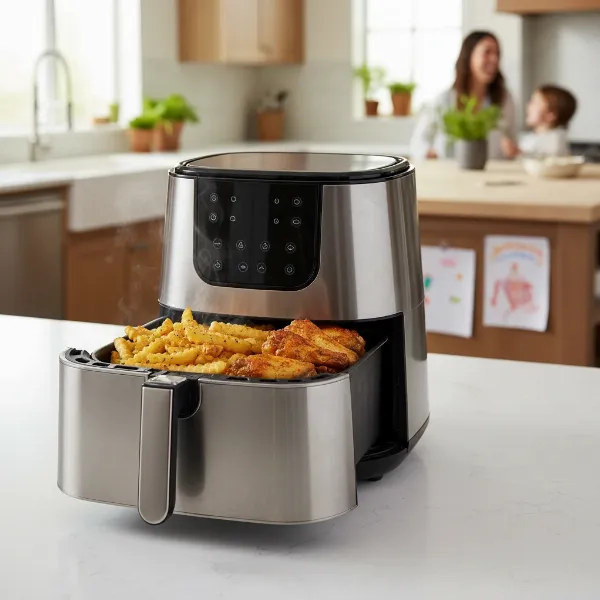
Are you tired of perfectly cooked food tearing apart as you try to remove it from your air fryer basket? The frustration of delicious meals glued to the bottom of your appliance is a common kitchen woe, transforming a quick cooking method into a messy ordeal. Air fryers promise convenience and healthier meals, yet sticky situations can quickly dampen the enthusiasm for this versatile appliance. This comprehensive guide will delve into why food sticks, reveal effective prevention strategies, and offer expert tips to ensure every dish you create in your air fryer releases cleanly and beautifully. Say goodbye to ripped chicken skin and crumbly fries, and hello to consistently perfect air-fried results.
Understanding Why Food Sticks in Your Air Fryer
The air fryer, a popular kitchen appliance, works by circulating hot air rapidly around food, creating a crispy exterior with less oil than traditional deep frying. This convection cooking method is fantastic for achieving that desired crunch, but it can also contribute to food sticking if certain conditions aren’t met. When food bonds to the basket, it’s typically not a flaw in your air fryer but rather a combination of factors related to preparation, cooking technique, and maintenance.
Common culprits include insufficient lubrication, wet or sugary food surfaces, prematurely attempting to flip food, leftover residue from previous cooks, or even a natural degradation of the nonstick coating over time. The type of sticking can also vary: delicate items like fish might tear when lifted, breaded foods or potatoes can become glued down, sugary sauces might form a hard candy-coating, and old residue can lead to patch-sticking where some areas release while others cling stubbornly. Understanding these underlying causes is the first step toward a stick-free air frying experience.
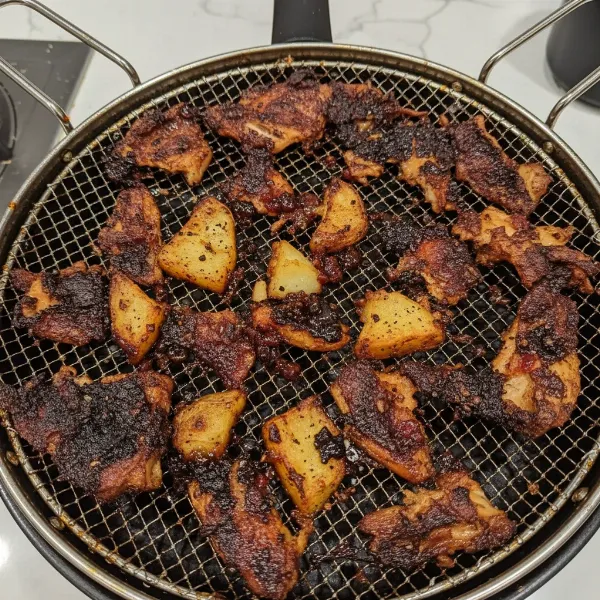 Various foods stuck to an air fryer basket, demonstrating common sticking issues and frustration.
Essential Preparation Steps to Prevent Sticking
Preventing food from sticking often begins before your air fryer even heats up. A few simple yet crucial preparation steps can make a significant difference.
Properly Oiling Your Air Fryer Basket and Food
Creating a thin, even barrier of oil is paramount. While air fryers use less oil, a small amount is still vital for most foods to prevent direct contact with the hot metal and facilitate release.
- Basket Coating: Lightly coat the air fryer basket with cooking oil or a suitable cooking spray before adding food. Ensure the entire surface, especially the bottom and sides, has a thin, even film. Avoid aerosol sprays that contain propellants like soy lecithin, as these can leave a sticky, gummy residue that builds up over time and damages nonstick coatings. Opt for pump misters with your preferred oil or use a brush to apply oil.
- Food Coating: Often, oiling the food itself is more effective than just oiling the basket. After patting food dry, toss it lightly with a small amount of oil before placing it in the air fryer. The goal is even coverage, not saturation.
- Basket “Seasoning”: Some manufacturers suggest “seasoning” a new air fryer basket before its first use. This typically involves applying a thin layer of cooking oil to the clean basket and heating it in the air fryer for a short period, similar to seasoning a cast-iron pan. This can help establish and maintain the nonstick surface.
|
Our Picks for the Best Air fryer in 2026
As an Amazon Associate I earn from qualifying purchases.
|
||
| Num | Product | Action |
|---|---|---|
| 1 | Ninja - XL Single Basket Air Fryer - 5.5 QT Capacity fits 3lbs of Wings - 5-in-1Air Fry, Roast, Bake,Reheat & Dehydrate -Dishwasher Safe Parts & Recipe Guide - Grey -AF150AMZ |

|
| 2 | Cosori 9-in-1 TurboBlaze Air Fryer 6 Qt, Premium Ceramic Coating, 90°–450°F, Precise Heating for Even Results, Air Fry, Roast, Bake, Broil, Dry, Frozen, Proof, Reheat, Keep Warm, 120V, Dark Gray |
|
| 3 | Cuisinart Air Fryer Toaster Oven, 1800W, 8-in-1 with Air Fry, Convection, Broil & Warm, 0.6 Cubic Feet, 60-Minute Timer, TOA-70NAS, Stainless Steel |
|
| 4 | bella 4Qt Slim Air Fryer, Fits-anywhere™ Kitchenware, EverGood™ Ceramic Nonstick Coating, Adjustable Temperature, 6 Preset Cooking Options, 60 Min Auto Shutoff w Audible Tone, 3.3lb Capacity, Oatmilk |
|
| 5 | Ninja - Air Fryer - 4 QT Capacity - 4-in1 Roast, Crisp, Roast, Reheats, & Dehydrates - Dishwasher Safe Parts - Includes 20 Easy & Healthy Recipes - Compact - Grey - AF101 |
|
| 6 | Ninja - Air Fryer - 4-in-1 Pro Air Fry, Roast, Reheat, Dehydrate - 5QT Capacity fits up to 4lbs of French Fries - 400F Max Temp - Nonstick Basket & Crisper Plate - 120V - Grey - AF141 |
|
| 7 | Ninja Crispi Pro 6-in-1 Glass Air Fryer - 450°F, Nontoxic, 6qt & 2.5qt Containers & Lids - Microwave, Freezer, Dishwasher Safe - Max Crisp, Air Fry, Bake, Roast, Recrisp, Dehydrate -Cyberspace AS101CY |
|
| 8 | Chefman TurboX 4-in-1 Air Fryer, 5-Quart Airfryer for Extra Crispy Chicken, Fries, Wings, and More, Air Fry, Bake, Reheat, and Frozen Functions, Digital Touch Controls, Dishwasher Safe |
|
| 9 | Ninja Air Fryer, 8 QT DoubleStack 2-Basket, Space Saving Design, Cooks 2lb Chicken Wings, Feeds up to 6 People, 6-in1 Air Fryer, Roast, Bake & More, Easy to Clean, Dishwasher Safe Parts, Black, SL201 |
|
| 10 | Chefman Air Fryer – 6 QT Compact Airfryer for Quick & Easy Meals in Minutes, Features Hi-Fry Technology for Extra Crisp, Touchscreen Controls with 4 Presets, Nonstick & Dishwasher Safe Basket - Black |
|
The Role of Liners: Parchment Paper and Silicone
Liners offer an excellent solution for particularly sticky foods or for easier cleanup, but they must be used correctly to ensure proper air circulation.
- Perforated Parchment Paper: Pre-cut, perforated parchment liners designed for air fryers are a convenient option. The perforations are essential for allowing hot air to circulate freely around the food, ensuring even cooking and crisping. If you use regular parchment paper, make sure to cut it to size and punch holes in it yourself. Never place empty parchment paper in a preheating air fryer, as it can fly up and hit the heating element, posing a fire risk.
- Silicone Liners: Reusable silicone liners are another popular choice. Like parchment, they provide a nonstick surface and simplify cleanup. Choose liners with ridges or perforations to allow for optimal airflow. Ensure they are heat-safe for your air fryer’s temperatures.
Food Preparation Matters
How you prepare your food also plays a significant role in preventing sticking.
- Pat Food Dry: Excess moisture on the surface of food, especially lean proteins like chicken breast or fish, can cause it to bond to the basket before a crust can form. Always pat foods thoroughly dry with paper towels before oiling and air frying.
- Mind Marinades and Sauces: Sugary marinades or sweet glazes (like BBQ sauce, honey mustard, or teriyaki) tend to caramelize and become extremely sticky at high air fryer temperatures. For best results, cook foods mostly plain first, and then brush on sugary sauces during the last few minutes of cooking. This allows the food to crisp and release before the sauce becomes a glue.
- Starchy Foods: For starchy vegetables like potatoes, rinsing or soaking cut pieces briefly can remove excess surface starch, followed by thoroughly drying them and tossing with a little oil. This prevents the starch from gelling and clinging to the basket.
- Breaded Items: For breaded foods, ensure the breading is firm and adheres well. Chilling breaded items for 10-20 minutes before air frying can help the coating set, making it less likely to stick and tear. Lightly misting the outside of the breading with oil also aids in crisping and release.
“Many home cooks overlook the simple step of drying food, especially proteins. It’s a game-changer for preventing sticking and achieving that perfect crisp.” – Chef Anya Sharma, Culinary Instructor
Smart Cooking Techniques for a Stick-Free Experience
Beyond preparation, strategic cooking techniques are equally important for ensuring your food doesn’t stick.
Preheating Your Air Fryer
While some air fryer models claim preheating isn’t necessary, a warm basket can significantly reduce sticking. A preheated surface helps the outer layer of your food set quickly, creating a nonstick crust that releases easily. Aim to preheat your air fryer for 3-5 minutes at the desired cooking temperature before adding your food. This gives the basket a “head start” and prevents initial bonding.
Avoiding Overcrowding the Basket
This is a common mistake that leads to uneven cooking and increased sticking. Overcrowding blocks the hot air from circulating effectively around individual food pieces. When food touches, it can steam rather than crisp, and moisture can facilitate sticking.
- Single Layer: Always cook food in a single layer, ensuring there’s space between items. If you’re cooking a large batch, work in smaller batches.
- Airflow is Key: The magic of the air fryer lies in its airflow. Respecting the space allows for even cooking, better browning, and easier release.
Flipping and Shaking at the Right Time
Patience is a virtue, especially when it comes to flipping food in an air fryer.
- Wait for the Crust to Set: If food resists when you try to flip it, it’s usually a sign that the crust hasn’t fully set. Trying to force it will only tear the food. Give it another 1-3 minutes to cook, and then try again. Many foods naturally release once their surface has browned and firmed up.
- Mid-Cook Shaking/Flipping: For smaller items like fries or chicken nuggets, shaking the basket halfway through the cooking process is essential. For larger items like chicken thighs or fish fillets, flipping them once or twice helps ensure even exposure to hot air, preventing sticking to one side and promoting uniform crisping.
Adjusting Cooking Temperature and Time
Sometimes, minor adjustments to your cooking settings can prevent sticking.
- Lower Temperature for Sugary Foods: If you must use sugary sauces early, consider slightly lowering the temperature to prevent rapid caramelization and sticking.
- Shorter Cooking for Delicate Items: For delicate foods that are prone to sticking, you might experiment with slightly shorter cooking times or gentler temperatures to avoid over-browning and adhesion. However, always ensure food is cooked to a safe internal temperature.
Maintaining Your Air Fryer Basket for Long-Term Nonstick Performance
Proper care and maintenance are crucial for preserving the nonstick properties of your air fryer basket and ensuring it remains stick-free for years to come.
Thorough Cleaning After Every Use
Residue buildup is a major cause of sticking and can compromise the nonstick coating.
- Soak and Wash Gently: After each use, allow the basket to cool completely. Soak removable parts in warm, soapy water for 10-15 minutes to loosen any stuck-on food or grease. Then, wash gently with a soft sponge or cloth and mild dish soap.
- Avoid Abrasives: Never use abrasive scouring pads, steel wool, or harsh chemical cleaners, as these can scratch and damage the nonstick coating. Similarly, avoid metal utensils in the basket; opt for silicone, plastic, or wooden tools for flipping and removing food.
- Tackle Stubborn Residue: If you notice a tacky film even after washing, it might be residue from cooking sprays or baked-on oils. A gentle degreasing routine, such as a paste of baking soda and water (allowed to sit briefly before gently scrubbing), can help restore the surface, but always confirm it’s safe for your specific air fryer’s coating.
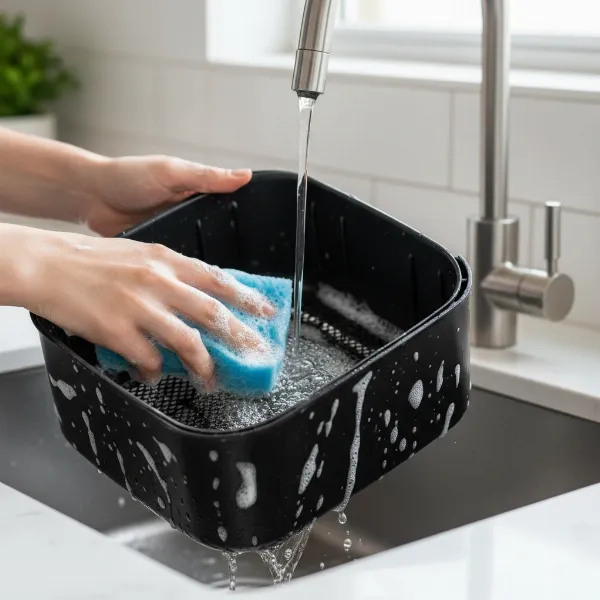 A person gently cleans a nonstick air fryer basket, removing residue for maintenance.
When to Consider Replacement
Even with the best care, nonstick coatings have a finite lifespan. There are clear signs when it might be time to replace your air fryer basket or insert.
- Visible Damage: If you notice peeling, flaking, heavy scratches, rust spots, or rough patches on the nonstick surface, it’s time for a replacement. Compromised coatings can release harmful chemicals and will inevitably cause food to stick.
- Persistent Sticking: If food consistently sticks despite following all prevention and cleaning tips, it indicates that the nonstick coating has worn out. In such cases, purchasing a replacement basket or an entirely new air fryer might be the simplest and most effective solution. Fighting a perpetually sticky basket is often more frustrating and costly in the long run than investing in new parts.
Troubleshooting: What to Do When Food is Already Stuck
Even with the best intentions, sometimes food gets stuck mid-cook. Don’t panic, and resist the urge to aggressively scrape or pull. Here’s a quick recovery plan:
- Stop Pulling: If you feel resistance, immediately stop trying to lift the food. Forcing it will only tear the food and leave more residue behind, which can then burn.
- Give It 1-3 More Minutes: This is often the simplest fix. Many foods just need a little more time for their surface to firm up and create a natural release. Allow the cooking to continue for another minute or two, then try again gently.
- Use a Gentle Tool and the Right Angle: When you try again, slide a thin, flexible silicone spatula underneath the edge of the food. Apply gentle upward pressure and lift slowly. Avoid stabbing or digging down, as this can damage the nonstick coating.
Buying Guide: Choosing the Right Air Fryer for Less Sticking
When investing in a new air fryer or replacement parts, consider features that inherently reduce sticking and ease maintenance.
Key Factors to Consider
- Basket Material and Coating: Look for high-quality, durable nonstick coatings. Ceramic nonstick options are often favored for their longevity and even heat distribution. Research user reviews specifically regarding sticking issues.
- Design and Airflow: Some air fryers have baskets designed with better airflow in mind, featuring more perforations or unique shapes that promote even cooking and prevent steaming.
- Ease of Cleaning: Baskets that are dishwasher-safe or have easily removable components will encourage regular, thorough cleaning, which is vital for maintaining nonstick performance.
- Reputable Brands: Brands known for quality kitchen appliances often invest in better nonstick technologies and overall product durability.
By making informed choices, you can select an air fryer that minimizes the chances of food sticking right from the start.
Conclusion
Conquering the common problem of food sticking to your air fryer basket is entirely achievable with the right approach. By consistently applying a thin layer of oil, utilizing perforated liners when needed, and carefully preparing your food by patting it dry and managing sugary sauces, you set the stage for success. During cooking, preheating your air fryer, avoiding overcrowding, and patiently flipping food at the right moment will ensure a clean release. Finally, meticulous cleaning and knowing when to replace a worn basket are key to long-term, stick-free air frying bliss. Embrace these simple yet powerful strategies, and you’ll unlock the full potential of your air fryer, enjoying delicious, perfectly cooked, and effortlessly removed meals every time.
What’s your go-to recipe that always comes out perfectly non-stick in your air fryer?
Frequently Asked Questions
Why does “nonstick” still stick in an air fryer?
Even nonstick coatings require proper conditions to work effectively. Factors like insufficient oil, wet or sugary food surfaces, leftover residue, or a worn-down coating can interfere with the nonstick properties, causing food to bond to the basket instead of releasing cleanly.
Can I use aluminum foil in my air fryer basket to prevent sticking?
Yes, you can use aluminum foil in your air fryer, but it must be used correctly. Like parchment paper, cut the foil to fit the basket and perforate it with holes to allow hot air to circulate. Without proper airflow, food may steam rather than crisp, and the purpose of the air fryer is diminished. Avoid covering the entire bottom of the basket, which can restrict airflow.
What kind of oil is best to use in an air fryer to prevent sticking?
Light, high smoke point oils are best for air frying, such as avocado oil, grapeseed oil, or vegetable oil. These oils can withstand the high temperatures of an air fryer without burning. Use a pump spray bottle or brush to apply a thin, even layer of oil to the food or basket, avoiding aerosol sprays with propellants that can damage nonstick surfaces over time.