Air fryers have rapidly become a kitchen staple, promising the crispy indulgence of fried foods without the accompanying guilt. This popular appliance circulates superheated air to achieve that coveted golden-brown finish, often with just a fraction of the oil used in traditional deep frying. But beyond the marketing hype, how healthy is air frying, really? Let’s delve into the science to understand the true health implications of this modern cooking method.
Air Fryer Overview: A Healthier Approach to “Frying”
An air fryer is essentially a compact convection oven that uses a powerful fan to rapidly circulate hot air around food. This process cooks food evenly and creates a crispy outer layer that mimics the texture of deep-fried dishes, but typically requires only a tablespoon or two of oil, or sometimes none at all. The widespread appeal stems from this promise: enjoying “fried” favorites like French fries, chicken wings, and even vegetables, with significantly less fat and fewer calories than their deep-fried counterparts. This reduction in oil is the primary reason many perceive air frying as a healthier alternative, a claim largely supported by scientific evidence.
 A sleek modern air fryer circulating hot air to cook crispy food with minimal oil.
Understanding Air Fryer Technology and Its Health Implications
The way an air fryer cooks food—through intense, circulating hot air—is central to its health profile. While it reduces the need for excessive oil, the high-heat nature of air frying also brings specific considerations regarding food chemistry and potential compound formation.
High-Heat Cooking and Compound Formation
|
Our Picks for the Best Air fryer in 2026
As an Amazon Associate I earn from qualifying purchases.
|
||
| Num | Product | Action |
|---|---|---|
| 1 | Cuisinart Air Fryer Toaster Oven, 1800W, 8-in-1 with Air Fry, Convection, Broil & Warm, 0.6 Cubic Feet, 60-Minute Timer, TOA-70NAS, Stainless Steel |

|
| 2 | Ninja - Air Fryer - 4-in-1 Pro Air Fry, Roast, Reheat, Dehydrate - 5QT Capacity fits up to 4lbs of French Fries - 400F Max Temp - Nonstick Basket & Crisper Plate - 120V - Grey - AF141 |
|
| 3 | Chefman Air Fryer – 6 QT Compact Airfryer for Quick & Easy Meals in Minutes, Features Hi-Fry Technology for Extra Crisp, Touchscreen Controls with 4 Presets, Nonstick & Dishwasher Safe Basket - Black |
|
| 4 | Ninja - Air Fryer - 4 QT Capacity - 4-in1 Roast, Crisp, Roast, Reheats, & Dehydrates - Dishwasher Safe Parts - Includes 20 Easy & Healthy Recipes - Compact - Grey - AF101 |
|
| 5 | Chefman TurboX 4-in-1 Air Fryer, 5-Quart Airfryer for Extra Crispy Chicken, Fries, Wings, and More, Air Fry, Bake, Reheat, and Frozen Functions, Digital Touch Controls, Dishwasher Safe |
|
| 6 | Ninja - XL Single Basket Air Fryer - 5.5 QT Capacity fits 3lbs of Wings - 5-in-1Air Fry, Roast, Bake,Reheat & Dehydrate -Dishwasher Safe Parts & Recipe Guide - Grey -AF150AMZ |
|
| 7 | Ninja Crispi Pro 6-in-1 Glass Air Fryer - 450°F, Nontoxic, 6qt & 2.5qt Containers & Lids - Microwave, Freezer, Dishwasher Safe - Max Crisp, Air Fry, Bake, Roast, Recrisp, Dehydrate -Cyberspace AS101CY |
|
| 8 | Ninja Air Fryer, 8 QT DoubleStack 2-Basket, Space Saving Design, Cooks 2lb Chicken Wings, Feeds up to 6 People, 6-in1 Air Fryer, Roast, Bake & More, Easy to Clean, Dishwasher Safe Parts, Black, SL201 |
|
| 9 | bella 4Qt Slim Air Fryer, Fits-anywhere™ Kitchenware, EverGood™ Ceramic Nonstick Coating, Adjustable Temperature, 6 Preset Cooking Options, 60 Min Auto Shutoff w Audible Tone, 3.3lb Capacity, Oatmilk |
|
| 10 | Cosori 9-in-1 TurboBlaze Air Fryer 6 Qt, Premium Ceramic Coating, 90°–450°F, Precise Heating for Even Results, Air Fry, Roast, Bake, Broil, Dry, Frozen, Proof, Reheat, Keep Warm, 120V, Dark Gray |
|
Any high-temperature cooking method, including air frying, can lead to the formation of certain chemical compounds. The key scientific inquiry is whether air frying generates fewer harmful compounds compared to other methods, particularly deep frying, and what the overall impact on human health might be.
Material Safety and Non-Stick Coatings
Many air fryers feature non-stick baskets or liners, which contribute to their ease of use and reduced oil requirement. These coatings often utilize materials like polytetrafluoroethylene (PTFE), commonly known as Teflon. While modern Teflon products have been PFOA-free since 2013, concerns can arise if these coatings are scratched or overheated (above 260°C or 500°F), potentially releasing toxic gases. To maintain safety, using silicone utensils and adhering to manufacturer temperature guidelines is advisable.
Air Frying vs. Traditional Methods: The Health Showdown
When evaluating the health benefits of air frying, the most meaningful comparison is often with traditional deep frying. The scientific consensus generally leans in favor of air frying, though with important nuances.
Reduced Fat and Calorie Intake
The most evident health advantage of air frying is the drastic reduction in oil. Air-fried foods typically contain 70-80% less fat than deep-fried foods. This significantly lowers the calorie count of meals, which can be beneficial for weight management and reducing the risk of obesity. A diet lower in unhealthy fats also contributes to better cardiovascular health by helping to manage cholesterol levels.
Acrylamide: The Deep Fryer’s Shadow?
Acrylamide is a chemical compound that forms in starchy foods, such as potatoes, when cooked at high temperatures (above 120°C or 248°F). It has been classified as a “probable human carcinogen” based on animal studies, although definitive evidence in humans at typical dietary levels is limited.
The good news is that air frying generally leads to a significant reduction in acrylamide formation compared to deep frying. Some studies have reported a 60-90% decrease in acrylamide when foods like French fries are air-fried versus deep-fried. This is primarily attributed to the lower oil volume and, in some cases, slightly lower overall cooking temperatures or shorter exposure times for the intense Maillard reaction.
However, research is ongoing, and some studies present a more complex picture. A 2024 study, for example, found that air-fried potatoes contained slightly more acrylamide than deep-fried or oven-fried potatoes in certain conditions. This highlights that the specific food, preparation method, and precise cooking parameters can influence acrylamide levels. To minimize acrylamide, pre-soaking starchy vegetables like potatoes before air frying is a recommended practice, as is avoiding overcooking or charring.
 Delicious golden-brown air-fried potato wedges, perfectly crispy and lightly seasoned, served in a clean bowl.
Other Harmful Compounds: PAHs, HCAs, and COPs
Beyond acrylamide, other potentially harmful compounds can form during high-heat cooking:
- Polycyclic Aromatic Hydrocarbons (PAHs) and Heterocyclic Amines (HCAs): These carcinogens can form when meat is cooked at high temperatures, especially with oil. Air frying typically produces fewer PAHs and HCAs than deep frying because it uses less oil and avoids the repeated heating of oil, which can degrade it and produce more of these compounds.
- Cholesterol Oxidation Products (COPs): Some research indicates that air frying fatty fish, like sardines, might slightly increase the formation of COPs, which could negatively impact cholesterol levels. Interestingly, adding fresh herbs such as parsley and chives during cooking appeared to help mitigate these effects.
- Aldehydes: These compounds can also be formed during high-heat cooking, and further research is needed to fully understand their formation in air-fried foods.
Nutrient Preservation and Enhancement
While high heat can sometimes degrade nutrients, air frying can actually be beneficial for retaining certain healthy compounds. A 2023 study found that air frying Brassica vegetables (like kale and broccoli sprouts) at 160°C for 10 minutes resulted in the highest total phenolic content (TPC), total flavonoid content (TFC), and antioxidant activity compared to sautéing or steaming. This suggests that for some vegetables, air frying can be a sustainable thermal processing method for improving biomolecules.
Maximizing Health Benefits: Best Practices for Your Air Fryer
To ensure you’re getting the most health benefits from your air fryer, intelligent usage and mindful cooking practices are key.
Smart Oil Usage and Ingredient Selection
- Minimal Oil: Use just 1-2 teaspoons of oil per serving, or brush a thin layer directly onto food. Avoid aerosol sprays, as they can contain propellants that may damage non-stick coatings.
- High Smoke Point Oils: Opt for oils with a high smoke point, such as avocado, grapeseed, or canola oil, to prevent them from breaking down and producing free radicals.
- Fresh, Wholesome Ingredients: Air frying can make healthy foods more appealing. Prioritize lean proteins, fresh vegetables, and whole grains.
- Pre-Soaking: For starchy foods like potatoes, pre-soaking them in water for at least 15 minutes before air frying can help reduce acrylamide formation.
Temperature Control and Avoiding Overcooking
- Follow Guidelines: Adhere to recommended temperatures and cooking times for specific foods. Overcooking or charring food, regardless of the method, increases the risk of harmful compound formation.
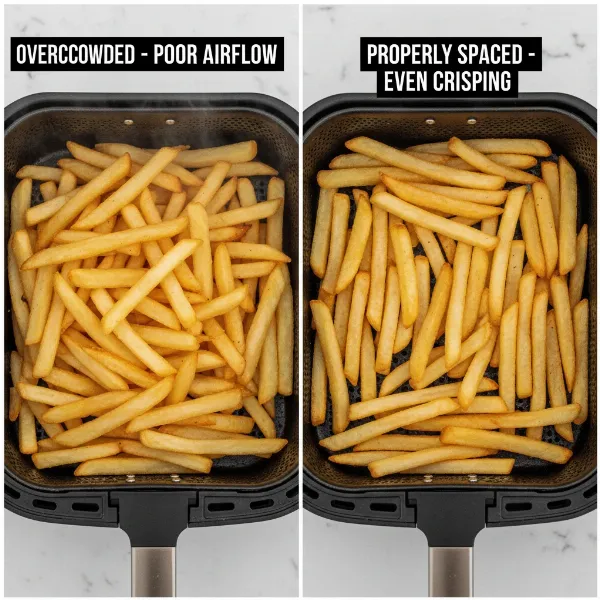
- Shake and Flip: Regularly shaking the basket or flipping food ensures even cooking and crisping without burning, promoting a healthier outcome.
Proper Care and Maintenance for Health and Longevity
- Cleanliness: Clean your air fryer regularly. Food residue can burn and produce smoke or off-flavors. Most baskets are dishwasher-safe, simplifying this crucial step.
- Non-Stick Care: If your air fryer has a non-stick coating, use silicone, wooden, or plastic utensils to avoid scratching the surface. Hand washing can also extend the life of the coating and prevent potential issues from damaged surfaces.
Incorporating Variety into Your Cooking
While air frying offers many benefits, it’s wise not to rely on it exclusively. Incorporate other cooking methods like steaming, baking, sautéing, and slow cooking to ensure a broad spectrum of nutrients and minimize exposure to any single type of cooking-related chemical.
The Broader Health Impact: Beyond Food Quality
The health benefits of air frying extend beyond the nutritional profile of the food itself, influencing your home environment and overall dietary habits.
Indoor Air Quality Improvement
A notable, albeit less commonly discussed, benefit of air frying is its positive impact on indoor air quality. Recent research published in the journal Indoor Air found that air frying produced the least indoor air pollution compared to other common cooking methods such as pan frying and boiling. This reduction in airborne particulates and pollutants can contribute to a healthier home environment, potentially lowering the risk of respiratory issues and other chronic illnesses linked to poor indoor air quality.
A Tool for Healthier Eating Habits
By making traditionally “unhealthy” foods more accessible in a healthier format, air fryers can encourage people to cook at home more often. This allows for greater control over ingredients, portion sizes, and oil usage, ultimately fostering healthier eating habits. The ability to quickly and easily prepare crispy vegetables, lean proteins, and other wholesome foods can be a significant step toward a more balanced diet.
Conclusion
Is air frying really healthy? The scientific evidence suggests that, yes, when used properly and as part of a balanced diet, air frying offers a healthier alternative to traditional deep frying. It significantly reduces fat and calorie intake, generally lowers the formation of harmful compounds like acrylamide, and can even improve indoor air quality. While some considerations exist regarding non-stick coatings and other compounds, these can be mitigated through mindful cooking practices and proper appliance care. The air fryer is not a magic bullet, but it is a valuable tool that empowers you to enjoy delicious, crispy foods with a clearer conscience.
So, are you ready to unlock the full potential of healthier frying in your kitchen?
Frequently Asked Questions
Is air-fried food always healthier than baked food?
Not necessarily. While air frying is generally healthier than deep frying, it’s not always superior to baking. Both methods use dry heat, but an air fryer’s intense circulation can sometimes lead to different nutritional outcomes, like potentially increased antioxidant retention in some vegetables, or different levels of acrylamide depending on the food and precise cooking parameters.
What are the worst things to air fry for health?
While an air fryer can make many foods healthier, highly processed items like pre-packaged frozen fried foods (which often have added fats, sugars, and preservatives) or excessively fatty meats will still be less healthy than whole, unprocessed foods, regardless of how they’re cooked. Air frying doesn’t magically negate the unhealthy aspects of the food itself.
How can I minimize health risks when using an air fryer?
To minimize risks, always use minimal, high-smoke-point oils, pre-soak starchy foods like potatoes, avoid overcooking or charring, and clean your air fryer regularly. If your air fryer has a non-stick coating, use silicone utensils and avoid overheating it to prevent potential chemical release. Diversifying your cooking methods is also a smart strategy.