The sudden sight of smoke billowing from your air fryer can turn a simple cooking task into an alarming kitchen emergency. While it’s certainly unnerving, a smoking air fryer doesn’t always signal a catastrophic malfunction. More often, it points to common cooking habits or maintenance oversights that are easily rectified. Understanding the root causes of air fryer smoke is the first step toward ensuring safe and efficient operation, allowing you to get back to enjoying perfectly crispy meals without the added drama.
Understanding Why Your Air Fryer Smokes
Air fryers operate on a simple yet effective principle: rapidly circulating hot air cooks food, achieving a crispy exterior with minimal oil. This convection cooking process is generally efficient and smoke-free. However, when ingredients, residue, or even the appliance itself behave unexpectedly, smoke can occur. It’s crucial to distinguish between wisps of steam, which are normal, especially with high-moisture foods, and actual smoke, which signifies burning. Real smoke, whether white or dark, indicates an issue that needs attention.
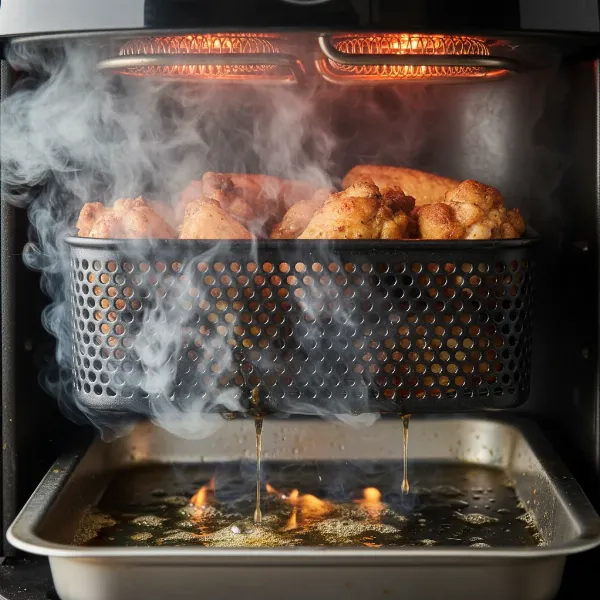 Air fryer emitting white smoke due to burning grease from fatty food cooked at high temperature.
Common Culprits Behind Air Fryer Smoke
Several factors can lead to your air fryer emitting smoke. Identifying the specific cause is key to implementing the correct solution:
- Excess Grease and Fatty Foods: This is perhaps the most frequent reason. When cooking high-fat items like bacon, sausages, chicken wings, or heavily marinated meats, rendered fat can drip down into the hot drip pan or onto the heating element. At high temperatures, this grease quickly burns, producing dense white smoke and an unpleasant odor.
- Food Debris and Residue Buildup: Neglecting to clean your air fryer thoroughly after each use allows food particles and grease to accumulate on the basket, tray, and even the heating coil. When the air fryer heats up again, these old remnants can ignite and burn, causing smoke.
- Lightweight Ingredients Touching Heating Element: The powerful fan inside an air fryer can cause lightweight items, such as loose breading, herbs, or small vegetable pieces, to fly around. If these fragments come into contact with the exposed heating element at the top of the appliance, they can quickly scorch and generate smoke.
- Burning Marinades or Seasonings: Sugary glazes, highly seasoned rubs, or sticky marinades can burn easily at the high temperatures air fryers reach. This burning is often characterized by a more aromatic, yet still unwelcome, smoke.
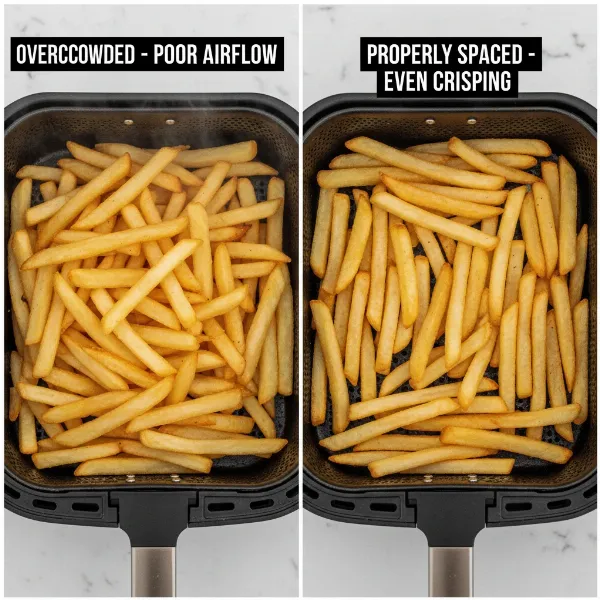
- Overcrowding the Air Fryer Basket: Stuffing too much food into the air fryer basket restricts the crucial airflow needed for even cooking. This can lead to certain areas of the food burning while others remain undercooked, or it can cause excess moisture and grease to pool and burn.
- Using Oils with Low Smoke Points: Not all cooking oils are suitable for the high temperatures used in air frying. Oils with low smoke points, like extra virgin olive oil or unrefined coconut oil, can start to smoke and break down at lower temperatures, even if the food isn’t burning.
- Initial Manufacturing Residue (for New Units): It’s not uncommon for brand-new air fryers to emit a slight, harmless smoke during their first few uses. This is typically residual manufacturing oils or protective coatings burning off and should dissipate after one or two cycles.
- Blocked Air Vents: Air fryers require adequate ventilation to operate safely and efficiently. If the appliance’s air intake or exhaust vents are blocked by nearby objects or dust, it can lead to overheating and potentially cause smoke.
- Electrical Malfunctions (Serious Concern): While rare, persistent black smoke accompanied by strange odors, unusual noises, or the smell of burning plastic could indicate an internal electrical fault. This is a serious safety concern.
|
Our Picks for the Best Air fryer in 2026
As an Amazon Associate I earn from qualifying purchases.
|
||
| Num | Product | Action |
|---|---|---|
| 1 | Ninja - XL Single Basket Air Fryer - 5.5 QT Capacity fits 3lbs of Wings - 5-in-1Air Fry, Roast, Bake,Reheat & Dehydrate -Dishwasher Safe Parts & Recipe Guide - Grey -AF150AMZ |

|
| 2 | Chefman Air Fryer – 6 QT Compact Airfryer for Quick & Easy Meals in Minutes, Features Hi-Fry Technology for Extra Crisp, Touchscreen Controls with 4 Presets, Nonstick & Dishwasher Safe Basket - Black |
|
| 3 | Ninja Air Fryer, 8 QT DoubleStack 2-Basket, Space Saving Design, Cooks 2lb Chicken Wings, Feeds up to 6 People, 6-in1 Air Fryer, Roast, Bake & More, Easy to Clean, Dishwasher Safe Parts, Black, SL201 |
|
| 4 | Cuisinart Air Fryer Toaster Oven, 1800W, 8-in-1 with Air Fry, Convection, Broil & Warm, 0.6 Cubic Feet, 60-Minute Timer, TOA-70NAS, Stainless Steel |
|
| 5 | Cosori 9-in-1 TurboBlaze Air Fryer 6 Qt, Premium Ceramic Coating, 90°–450°F, Precise Heating for Even Results, Air Fry, Roast, Bake, Broil, Dry, Frozen, Proof, Reheat, Keep Warm, 120V, Dark Gray |
|
| 6 | bella 4Qt Slim Air Fryer, Fits-anywhere™ Kitchenware, EverGood™ Ceramic Nonstick Coating, Adjustable Temperature, 6 Preset Cooking Options, 60 Min Auto Shutoff w Audible Tone, 3.3lb Capacity, Oatmilk |
|
| 7 | Chefman TurboX 4-in-1 Air Fryer, 5-Quart Airfryer for Extra Crispy Chicken, Fries, Wings, and More, Air Fry, Bake, Reheat, and Frozen Functions, Digital Touch Controls, Dishwasher Safe |
|
| 8 | Ninja Crispi Pro 6-in-1 Glass Air Fryer - 450°F, Nontoxic, 6qt & 2.5qt Containers & Lids - Microwave, Freezer, Dishwasher Safe - Max Crisp, Air Fry, Bake, Roast, Recrisp, Dehydrate -Cyberspace AS101CY |
|
| 9 | Ninja - Air Fryer - 4 QT Capacity - 4-in1 Roast, Crisp, Roast, Reheats, & Dehydrates - Dishwasher Safe Parts - Includes 20 Easy & Healthy Recipes - Compact - Grey - AF101 |
|
| 10 | Ninja - Air Fryer - 4-in-1 Pro Air Fry, Roast, Reheat, Dehydrate - 5QT Capacity fits up to 4lbs of French Fries - 400F Max Temp - Nonstick Basket & Crisper Plate - 120V - Grey - AF141 |
|
Immediate Actions When Your Air Fryer Starts Smoking
If your air fryer begins to smoke, swift and calm action is essential to ensure safety and prevent further issues:
- Turn Off and Unplug Immediately: As soon as you notice smoke, turn off the air fryer and unplug it from the wall outlet. This cuts off power to the heating element and fan, stopping the cooking process.
- Allow to Cool Completely: Resist the urge to open the air fryer basket or door immediately. Opening it too soon can introduce oxygen to potential smoldering debris, which could cause a flare-up. Allow the unit to cool down for at least 20-30 minutes.
- Inspect and Assess the Situation: Once the air fryer is completely cool, carefully remove the basket and drip pan. Inspect the interior, including the heating element, for any obvious signs of burnt food residue, excessive grease buildup, or damaged components. Note the color of the smoke – white smoke is typically food-related, while black smoke can indicate a more serious electrical issue.
Practical Solutions to Stop and Prevent Air Fryer Smoking
Most air fryer smoking issues can be resolved and prevented with simple adjustments to your cooking habits and maintenance routine:
- Thorough Cleaning is Key: Regular and meticulous cleaning is paramount. After each use, once cooled, wash the basket and tray with warm, soapy water. For stubborn grease, a paste of baking soda and water can be effective. Gently wipe the heating element with a damp cloth (ensure it’s unplugged and cool) to remove any accumulated grime.
 Person cleaning air fryer basket with soap and sponge, removing grease and food debris after use.
- Pre-trimming Fat from Foods: When cooking fatty meats, trim off excess fat before placing them in the air fryer. This reduces the amount of grease that can drip and burn.
- Choosing the Right Cooking Oils: Opt for oils with high smoke points, such as avocado, grapeseed, peanut, or sunflower oil. These oils can withstand higher temperatures without breaking down and smoking.
- Optimizing Basket Load and Airflow: Avoid overcrowding the air fryer basket. Cook food in single layers or small batches to allow hot air to circulate freely around each item. This ensures even cooking and prevents burning.
- Utilizing Air Fryer Accessories:
- Parchment Paper Liners: Specially designed air fryer parchment liners can catch dripping grease and crumbs. Ensure the liner is sized correctly, weighted down by food, and does not touch the heating element to prevent it from flying up and burning.
- Baking Sheets (for Oven-Style Air Fryers): If you have an oven-style air fryer with a basket, place a baking sheet on a rack below the air fry tray to catch any drips.
- The “Water Trick” for Fatty Foods: For very greasy foods, add 2-3 tablespoons of water to the bottom of the air fryer’s drip pan (below the basket). The water will cool the dripping grease, preventing it from reaching its smoke point and burning.
- Adjusting Cooking Temperatures: Sometimes, a slightly lower temperature for a longer cooking duration can help prevent smoke, especially with very fatty items or those prone to burning.
When to Be Concerned: Types of Smoke and Safety Risks
While most smoking incidents are due to food or grease, it’s vital to recognize when the situation demands serious attention.
- White Smoke vs. Black Smoke: White smoke, often thick and accompanied by a burnt food smell, is typically from grease or food residue. Black smoke, however, is a strong indicator of an electrical fault or a serious internal issue and should be treated as an immediate hazard.
- Health Implications of Inhaling Smoke: Inhaling smoke from burning food or oils can irritate the respiratory system and may contain harmful compounds, including carcinogens like acrylamides and polycyclic aromatic hydrocarbons (PAHs), especially if oils are reused or foods are severely overcooked. Always ensure good ventilation in your kitchen.
- Fire Hazards and Electrical Faults: Electrical malfunctions, such as faulty wiring or damaged components, can cause overheating, melting, and even fires. Past recalls of certain air fryer models have highlighted these risks. If you suspect an electrical problem (e.g., black smoke, burning plastic smell, sparks), discontinue use immediately.
- Recalls and PFAS Concerns: Some air fryers have been recalled due to safety defects. Additionally, the non-stick coatings in some models may contain “forever chemicals” (PFAS), linked to various health concerns. Opting for stainless steel or ceramic-coated baskets can reduce potential exposure.
Expert Tips for a Smoke-Free Air Frying Experience
For long-term, hassle-free air frying, incorporate these best practices into your routine:
- Regular Maintenance Schedule: Make cleaning your air fryer a consistent habit, not an occasional chore. A clean appliance performs better and is less likely to smoke.
- Proper Placement and Ventilation: Always place your air fryer on a stable, heat-resistant surface, ensuring there’s ample space (at least 5-6 inches) around all sides for proper airflow. Avoid placing it directly under cabinets that could trap heat and smoke.
- Monitoring Your Cook: Keep an eye on your food, especially when trying new recipes or cooking high-fat items. Periodically shake the basket or flip ingredients to promote even cooking and prevent burning.
- Understanding Your Appliance: Familiarize yourself with your specific air fryer model’s manual for recommended cleaning procedures, accessory usage, and troubleshooting tips.
“A smoking air fryer is often a cry for help from your appliance, indicating it needs a good clean or a minor adjustment in your cooking approach. Don’t ignore it – address the smoke to ensure both delicious food and kitchen safety.” – Chef Isabella Rossi, Culinary Technology Expert
Conclusion
Encountering a smoking air fryer can be startling, but with the right knowledge, it’s usually a solvable problem. By understanding common causes such as excess grease, food debris, or improper cooking techniques, you can implement effective solutions like thorough cleaning, fat trimming, using appropriate oils, and preventing overcrowding. Prioritizing regular maintenance and smart cooking habits will not only eliminate smoke but also extend the life of your appliance and enhance your culinary results. Remember to act quickly and safely if smoke appears, and always be mindful of potential electrical issues.
Ready to air fry with confidence? With these tips, you’re well-equipped to keep your kitchen clear and your meals perfectly cooked. What’s your go-to smoke-free air fryer recipe?
Frequently Asked Questions
Is it normal for my air fryer to smoke a little?
A small amount of steam, especially when cooking high-moisture foods, is normal. However, visible, continuous smoke is generally not normal and indicates something is burning inside, such as excess grease or food debris.
Can a smoking air fryer be dangerous?
Yes, a smoking air fryer can be dangerous. While white smoke from burning food residue is often a fixable issue, it can produce harmful fumes. Black smoke, on the other hand, strongly suggests an electrical fault or a grease fire, which poses significant safety risks and requires immediate attention.
How often should I clean my air fryer to prevent smoking?
To prevent smoking, it is recommended to clean your air fryer’s basket and drip pan after every use. A more thorough cleaning, including gently wiping the heating element, should be done regularly, perhaps once a week or every few uses, depending on how frequently you cook fatty foods.
What kind of oil is best for air frying to avoid smoke?
To avoid smoke, use cooking oils with high smoke points suitable for high-temperature cooking. Excellent choices include avocado oil, grapeseed oil, peanut oil, or sunflower oil, as they can withstand the heat generated by air fryers without breaking down and smoking.