The air fryer has transformed kitchens worldwide, offering a quicker, healthier alternative to traditional frying. Yet, as this versatile appliance gains popularity, a critical question arises for health-conscious cooks: how do the materials of your air fryer impact food safety? The choice between glass and plastic components can significantly affect what goes into your meals, and understanding these differences is key to making an informed decision for your home.
Understanding Air Fryer Materials: Glass vs. Plastic
At its core, an air fryer operates by circulating superheated air to crisp food, mimicking the results of deep frying with minimal oil. This technology relies on efficient heat transfer, and the materials used in the cooking chamber and basket are paramount. While early air fryers often featured metallic baskets with non-stick coatings, or predominantly plastic bodies, the market has evolved to include models incorporating glass.
The fundamental difference lies in their chemical composition and interaction with heat. Glass, particularly specialized types, offers an inert cooking surface, meaning it does not react with food or release chemicals. Plastics, on the other hand, especially certain types, can pose potential concerns when subjected to the high temperatures characteristic of air frying. This initial overview highlights why material choice isn’t just about durability or aesthetics; it’s a direct link to the safety of your food.
Decoding Air Fryer Material Types and Their Safety Implications
Understanding the specific materials used in air fryers is crucial for evaluating their safety. The type of material in contact with your food determines the potential for chemical exposure during the cooking process.
Plastic-Based Air Fryers: Potential Concerns
|
Our Picks for the Best Air fryer in 2026
As an Amazon Associate I earn from qualifying purchases.
|
||
| Num | Product | Action |
|---|---|---|
| 1 | Cosori 9-in-1 TurboBlaze Air Fryer 6 Qt, Premium Ceramic Coating, 90°–450°F, Precise Heating for Even Results, Air Fry, Roast, Bake, Broil, Dry, Frozen, Proof, Reheat, Keep Warm, 120V, Dark Gray |

|
| 2 | Ninja - Air Fryer - 4-in-1 Pro Air Fry, Roast, Reheat, Dehydrate - 5QT Capacity fits up to 4lbs of French Fries - 400F Max Temp - Nonstick Basket & Crisper Plate - 120V - Grey - AF141 |
|
| 3 | Chefman TurboX 4-in-1 Air Fryer, 5-Quart Airfryer for Extra Crispy Chicken, Fries, Wings, and More, Air Fry, Bake, Reheat, and Frozen Functions, Digital Touch Controls, Dishwasher Safe |
|
| 4 | Ninja - XL Single Basket Air Fryer - 5.5 QT Capacity fits 3lbs of Wings - 5-in-1Air Fry, Roast, Bake,Reheat & Dehydrate -Dishwasher Safe Parts & Recipe Guide - Grey -AF150AMZ |
|
| 5 | Cuisinart Air Fryer Toaster Oven, 1800W, 8-in-1 with Air Fry, Convection, Broil & Warm, 0.6 Cubic Feet, 60-Minute Timer, TOA-70NAS, Stainless Steel |
|
| 6 | Ninja - Air Fryer - 4 QT Capacity - 4-in1 Roast, Crisp, Roast, Reheats, & Dehydrates - Dishwasher Safe Parts - Includes 20 Easy & Healthy Recipes - Compact - Grey - AF101 |
|
| 7 | Ninja Crispi Pro 6-in-1 Glass Air Fryer - 450°F, Nontoxic, 6qt & 2.5qt Containers & Lids - Microwave, Freezer, Dishwasher Safe - Max Crisp, Air Fry, Bake, Roast, Recrisp, Dehydrate -Cyberspace AS101CY |
|
| 8 | Ninja Air Fryer, 8 QT DoubleStack 2-Basket, Space Saving Design, Cooks 2lb Chicken Wings, Feeds up to 6 People, 6-in1 Air Fryer, Roast, Bake & More, Easy to Clean, Dishwasher Safe Parts, Black, SL201 |
|
| 9 | Chefman Air Fryer – 6 QT Compact Airfryer for Quick & Easy Meals in Minutes, Features Hi-Fry Technology for Extra Crisp, Touchscreen Controls with 4 Presets, Nonstick & Dishwasher Safe Basket - Black |
|
| 10 | bella 4Qt Slim Air Fryer, Fits-anywhere™ Kitchenware, EverGood™ Ceramic Nonstick Coating, Adjustable Temperature, 6 Preset Cooking Options, 60 Min Auto Shutoff w Audible Tone, 3.3lb Capacity, Oatmilk |
|
Many air fryers incorporate plastic, especially for external casings or sometimes even for components within the cooking zone. A primary concern with plastic comes from the potential for chemical leaching. Bisphenol A (BPA), often found in plastics, can leach into food, particularly when exposed to high temperatures, and is linked to potential health issues over time. [concise_search 2] Even “BPA-free” plastics may contain other chemicals with similar health concerns.
Beyond the plastic itself, many air fryer baskets feature non-stick coatings like polytetrafluoroethylene (PTFE), commonly known as Teflon. While convenient, these coatings can degrade when overheated, potentially releasing harmful substances such as per- and polyfluoroalkyl substances (PFAS) and perfluorooctanoic acid (PFOA). [concise_search 2, 4] These “forever chemicals” are known for their persistence in the environment and the body, with studies suggesting links to liver and thyroid problems. [concise_search 2] Overheating Teflon-coated cookware can also lead to “Teflon flu” or polymer fume fever, causing flu-like symptoms from inhaled toxic fumes. [concise_search 2] Furthermore, if plastic parts degrade due to sustained high heat or friction, tiny microplastic particles or volatile organic compounds (VOCs) could potentially shed into food or the circulating air. [concise_search 1] Another drawback is plastic’s tendency to absorb food odors, leading to lingering smells even after cleaning.
Glass-Based Air Fryers: The Non-Toxic Advantage
Glass air fryers are gaining popularity, primarily for their perceived health benefits. The key lies in the type of glass used. Borosilicate glass and tempered glass are the most common, known for their superior heat resistance and thermal shock resistance. Borosilicate glass, containing boron, is particularly robust, capable of withstanding rapid temperature changes without cracking or breaking. Some models can even go directly from the freezer to the air fryer without shattering. [concise_search 4]
The most significant advantage of glass is its inert nature. It is non-reactive and does not contain or leach harmful chemicals like PFAS, PTFE, PFOA, or BPA into your food, even when exposed to the high temperatures of air frying. This inherent safety means there’s no need for chemical non-stick coatings, as glass is naturally smooth and less prone to sticking. The transparency of a glass cooking chamber is another major benefit, allowing you to visually monitor your food’s progress without opening the basket. This helps in retaining heat, reducing cooking time, and preventing overcooking, which can otherwise increase the formation of undesirable compounds like acrylamide. Moreover, glass is non-porous and does not retain food odors or flavors, ensuring that each meal tastes as intended.
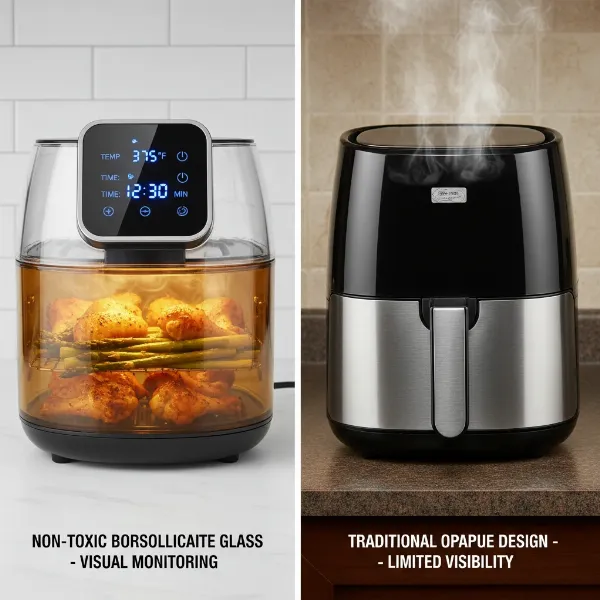 Transparent glass air fryer next to an opaque plastic air fryer basket, highlighting material differences.
Material Choices in Modern Air Fryers: What to Look For
When exploring the air fryer market, you’ll encounter a spectrum of material combinations. While many air fryers feature plastic exteriors for insulation and design, the crucial components for food safety are those that come into direct contact with your food. Manufacturers increasingly offer models with cooking baskets and chambers made from materials beyond traditional coated metals, such as glass, stainless steel, or ceramic-coated alternatives.
The trend leans towards non-toxic materials for the cooking surface, moving away from coatings known to contain “forever chemicals.” You’ll find air fryers with stainless steel interiors, which provide durability and are generally considered safe, though they may still have non-stick coatings that require scrutiny. Glass models, while sometimes heavier, offer unparalleled transparency and chemical inertness. It’s essential to scrutinize product specifications and look for clear declarations of “BPA-free,” “PFOA-free,” and “PFAS-free” for all food-contact surfaces to ensure a safer cooking experience.
Detailed Comparison: Glass vs. Plastic Air Fryers
To help you decide which air fryer material aligns best with your health and cooking preferences, here’s a detailed comparison:
| Feature | Glass Air Fryers (Food Contact Surfaces) | Plastic Air Fryers (Food Contact Surfaces/Baskets) |
|---|---|---|
| Material | Borosilicate or tempered glass | Various plastics, often with non-stick coatings (PTFE, ceramic) |
| Heat Resistance | Excellent (up to 400°C/752°F), resistant to thermal shock | Varies; plastics can degrade and coatings can break down at high temps (e.g., >500°F for Teflon) [concise_search 2] |
| Chemical Leaching Risk | Virtually none; glass is inert and non-reactive | Potential for BPA, PFAS, PFOA, VOCs from plastics or coatings, especially when overheated or scratched [concise_search 1, 2, 4] |
| Durability | Highly durable, scratch-resistant; but can shatter if dropped | Can be durable but coatings prone to scratching and flaking over time |
| Visibility | Excellent (transparent chamber allows monitoring) | Typically opaque; requires opening to check food, losing heat |
| Odor Retention | Does not retain odors or flavors | Can absorb food smells over time |
| Ease of Cleaning | Very easy; smooth, non-porous, often dishwasher-safe | Varies; non-stick coatings make cleaning easy initially, but degraded coatings can be difficult |
| Price | Often at a higher price point due to specialized materials | Generally more budget-friendly |
Essential Safety Guidelines for Air Fryer Use
Regardless of your air fryer’s primary material, adopting safe usage practices is crucial for protecting your health and extending your appliance’s lifespan. Responsible use mitigates many potential risks associated with high-temperature cooking.
Preparing Food for Safe Air Frying
To minimize potential contact between your food and any questionable surfaces, consider using liners. Parchment paper or food-grade silicone liners can create a barrier, especially in air fryers with coated baskets or plastic components in the cooking zone. [concise_search 4] It’s also wise to avoid allowing acidic foods to sit directly on non-stick coatings, as this can accelerate their degradation. Always ensure food does not touch any exposed plastic or damaged coating surfaces.
Optimal Temperature Settings and Cooking Practices
Adhering strictly to the manufacturer’s recommended temperature and cooking times is paramount. Overheating, particularly with non-stick coated models, can significantly increase the risk of coatings degrading and releasing harmful fumes. [concise_search 2, 4] Most modern non-stick coatings are generally safe below 400°F (200°C). [concise_search 4] While air frying is generally considered a healthier cooking method than deep frying, it’s important to avoid charring or burning your food, as this can increase the formation of acrylamide, a potential carcinogen. [1, concise_search 3] Keep an eye on your food, especially if using a glass air fryer that offers visual monitoring.
Cleaning and Maintaining Your Air Fryer
Regular and thorough cleaning is vital. Food residues can burn during subsequent uses, potentially releasing unpleasant odors or even harmful compounds. Clean your air fryer basket and cooking components after each use to prevent buildup. [concise_search 2, 4] For glass components, simple warm soapy water usually suffices, and many are dishwasher-safe. For coated baskets, use soft sponges and non-abrasive cleaners to avoid scratching and preserving the integrity of the non-stick surface. Always ensure all parts are completely dry before reassembling.
General Safety Precautions
Always use your air fryer in a well-ventilated area to dissipate any potential fumes or cooking odors. [concise_search 1] Regularly inspect all components, particularly the cooking basket and any plastic parts, for signs of wear, cracks, or damage. If you notice any significant damage to a coated surface or plastic, consider replacing the component or the entire appliance to prevent potential risks. Always ensure the appliance is unplugged before cleaning or maintenance.
Tips for Healthier Air Frying Habits
Beyond choosing the right air fryer material, several habits can further enhance the healthfulness of your air-fried meals and optimize your cooking experience. Making conscious choices in food preparation and cooking techniques can elevate your air-frying game.
Smart Food Choices and Preparation
Begin with fresh, high-quality ingredients. When oil is needed, opt for healthy oils with high smoke points, such as avocado oil, grapeseed oil, or extra light olive oil, to prevent them from breaking down and forming undesirable compounds during cooking. [concise_search 4] Experiment with a variety of seasonings and marinades that use natural herbs and spices to add flavor without relying on processed ingredients. For items like chicken or fish, a light marinade can create a delicious crust without excessive oil.
Achieving Perfect Results Safely
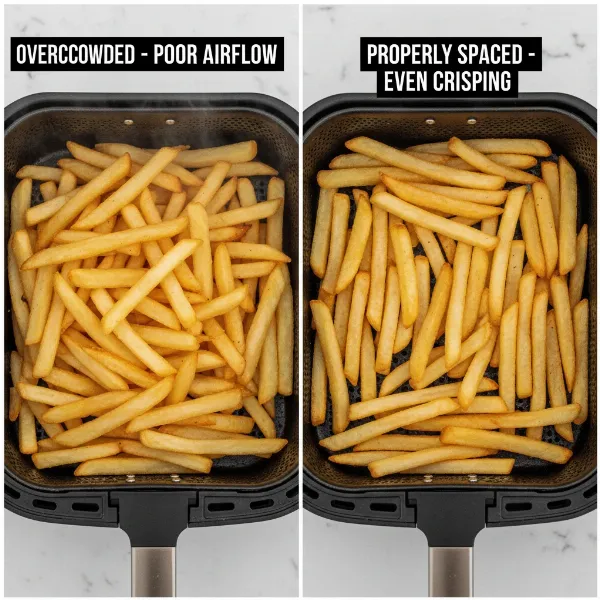
The beauty of air frying lies in achieving crispy textures with less fat. To get that perfect crispness, ensure food isn’t overcrowded in the basket, allowing hot air to circulate evenly. Shaking the basket or flipping food halfway through cooking helps promote uniform browning. If you have a glass air fryer, take advantage of its transparency to visually monitor your food. This allows you to adjust cooking times as needed, ensuring food is perfectly done without being overcooked or burned, which helps minimize the formation of unhealthy compounds like acrylamide. For foods that tend to stick, a light spray of oil or the use of parchment paper liners can prevent residue.
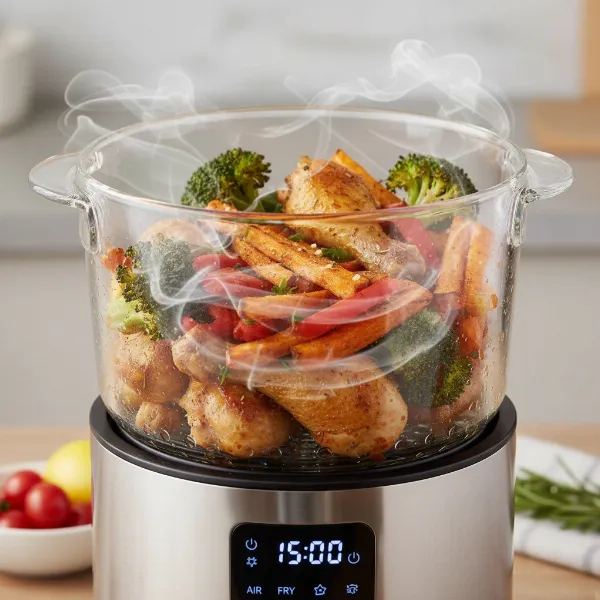 A glass air fryer cooking healthy, crispy food, highlighting safety and transparency.
Your Comprehensive Air Fryer Buying Guide Focused on Material Safety
Choosing an air fryer is an investment in your kitchen and, more importantly, in your health. By prioritizing material safety, you can ensure your culinary creations are as wholesome as they are delicious.
Identifying Your Priorities: Health and Safety First
Before diving into models, assess your household’s needs and cooking frequency. If you prioritize minimizing chemical exposure above all else, focusing on non-toxic materials for food-contact surfaces should be your primary concern. Consider how often you’ll use the appliance and for what types of food; frequent use warrants a more robust and safer material choice.
Selecting the Right Material for Your Needs
When making your choice, strongly consider air fryers with cooking baskets or chambers made from borosilicate glass or high-grade stainless steel. These materials are generally inert and do not leach chemicals into your food. For any components that are plastic or coated, look for explicit certifications such as “BPA-free,” “PFOA-free,” and “PFAS-free.” Remember that even PFOA-free coatings can degrade over time, so glass or uncoated stainless steel offer the longest-term peace of mind.
Key Features Beyond Material
While material is crucial, don’t overlook practical features. Look for an air fryer that is easy to clean, as this contributes to overall hygiene and safety. A transparent cooking chamber (found in glass models) is a significant advantage for monitoring food without heat loss. Consider the capacity that best suits your family size and the wattage for efficient cooking. Digital controls and preset functions can enhance user experience.
Warranty, After-Sales Service, and Reputable Retailers
Invest in brands that are transparent about the materials used in their products and offer robust warranties. A good warranty indicates the manufacturer’s confidence in their product’s durability and safety. Research customer reviews regarding product longevity and the effectiveness of customer support. Purchasing from reputable retailers ensures you receive authentic products and reliable after-sales service.
Balancing Price and Health Benefits
While glass and higher-grade stainless steel air fryers might come with a higher price tag, consider it an investment in your family’s health. The long-term benefits of reduced chemical exposure often outweigh the initial cost savings of cheaper, less safe alternatives. Evaluate the overall value, factoring in durability, ease of maintenance, and health implications, rather than focusing solely on the purchase price.
Conclusion
The debate between glass and plastic air fryers ultimately highlights a clear winner for health-conscious consumers: glass. With its inert nature, superior heat resistance, and freedom from potentially harmful chemical coatings, glass offers a safer and more transparent cooking experience. While plastic air fryers can be more budget-friendly, the concerns surrounding chemical leaching and coating degradation at high temperatures warrant careful consideration. Making an informed choice about your air fryer’s materials is a simple yet powerful step towards a healthier kitchen. By prioritizing non-toxic options and adopting best practices, you can enjoy perfectly crisp, delicious meals with greater peace of mind. Which material will you choose to safeguard your family’s meals?
Frequently Asked Questions
Are all plastic components in an air fryer unsafe?
Not all plastic components are unsafe, but it depends on the type of plastic and its proximity to food during cooking. Exteriors made of plastic are generally less concerning than plastic components within the cooking chamber that come into direct contact with food or are exposed to high heat. Always look for “BPA-free” certifications.
Can I use any glass dish in my air fryer?
No, only oven-safe glass, specifically tempered glass or borosilicate glass, should be used in an air fryer. Regular glass can shatter due to rapid temperature changes, so always check for an “oven-safe” label or ensure the product is made from heat-resistant glass types. Avoid taking glass dishes directly from the freezer to a hot air fryer unless specifically designed for it. [concise_search 4]
What are “forever chemicals” and why should I avoid them in air fryers?
“Forever chemicals,” or PFAS (per- and polyfluoroalkyl substances), including PFOA and PTFE, are found in many non-stick coatings. They are called “forever chemicals” because they break down very slowly and accumulate in the environment and human body. [concise_search 2, 4] Exposure to these chemicals has been linked to various health issues, making PFAS-free air fryers a safer choice for cooking.
How can I make my current plastic air fryer safer?
If you own an air fryer with plastic or coated components, you can enhance safety by using parchment paper or food-grade silicone liners to create a barrier between food and surfaces. [concise_search 4] Ensure proper ventilation during use, clean the appliance thoroughly after each use, and avoid setting temperatures higher than the manufacturer’s recommendations or exceeding 400°F for non-stick models. [concise_search 4]
Is stainless steel a good alternative to glass or plastic for air fryers?
Yes, stainless steel is an excellent non-toxic alternative for air fryer cooking surfaces. It is durable, resistant to high temperatures, and does not leach chemicals into food. Many non-toxic air fryers feature stainless steel interiors, offering a robust and safe cooking environment, particularly when uncoated.