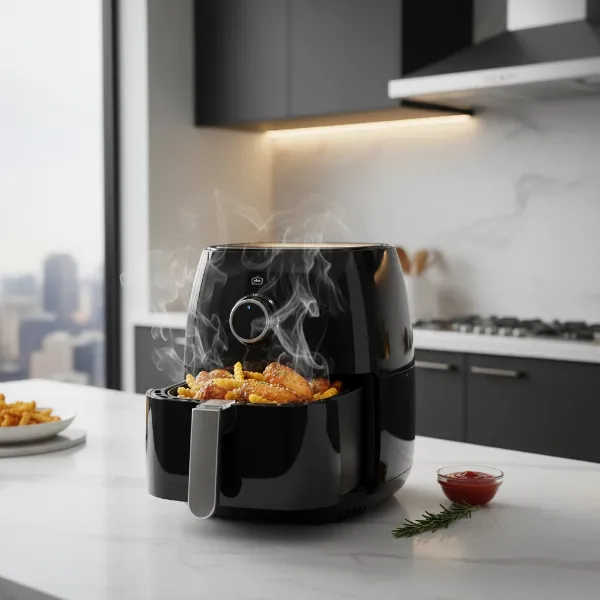
Few culinary delights rival the taste of perfectly cooked fish. Yet, for many home cooks, the joy of a flaky fillet is often overshadowed by the dread of a persistent “fishy” smell permeating their home for hours, if not days. This lingering aroma can deter even the most ardent seafood lovers from preparing their favorite dishes at home. But what if there was a way to enjoy delicious, healthy fish without turning your kitchen into a fish market?
Welcome to the revolution of odor-free fish cooking, powered by the incredible capabilities of your air fryer. As an expert in air fryer technology, I’m here to share the ultimate guide to preparing mouth-watering fish dishes that leave only delightful memories, not an unwelcome scent. Say goodbye to ventilation dilemmas and hello to a fresh-smelling kitchen, even after your fish feast.
The Lingering Question: Why Fish Smells and How to Combat It
The infamous “fishy” smell that develops as fish ages is primarily due to a compound called trimethylamine (TMA). Fresh fish has very little TMA. However, as bacteria on the fish break down other compounds, TMA is produced, leading to that characteristic strong odor. Traditional cooking methods, especially pan-frying, can exacerbate this by releasing these volatile compounds directly into the air, allowing them to cling to surfaces and fabrics throughout your home. High heat, direct contact with oil, and open-air cooking are all culprits in spreading this unwelcome aroma.
For years, home cooks have resorted to various tricks to mask or minimize the smell, from simmering citrus peels to scrubbing surfaces immediately after cooking. While these methods offer some relief, they often feel like a battle fought after the fact. The true solution lies in preventing the odor from spreading in the first place, and that’s where modern cooking appliances, particularly the air fryer, offer a game-changing advantage.
Air Fryers: A Breath of Fresh Air for Fish Lovers
Air fryers have emerged as a powerful tool in the fight against cooking odors. Their fundamental operating principle involves rapidly circulating hot air around the food. Unlike pan-frying, which involves direct contact with hot oil and releases steam and odors into the open kitchen, an air fryer contains the cooking process within a closed chamber. This significantly reduces the spread of airborne particles responsible for fish smells.
The air fryer’s design helps minimize the amount of oil needed, preventing oil splatters that carry odor molecules. Less oil means less smoke and fewer odor-carrying particles. Furthermore, the contained environment allows for more efficient ventilation of cooking fumes if your air fryer is placed under a range hood, or simply keeps the volatile compounds more concentrated within the unit until they are either vented or contained during cleanup. This mechanism makes air frying an inherently cleaner and less aromatic method for preparing seafood.
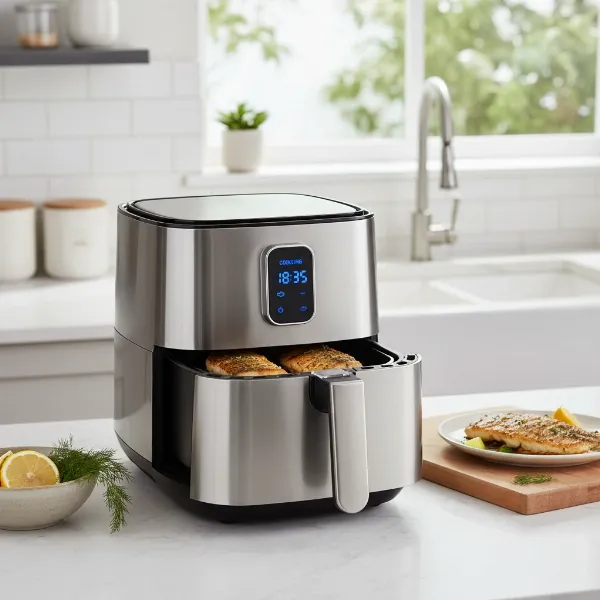 Modern air fryer cooking fish fillets, demonstrating contained and odor-free cooking in kitchen.
Beyond the Basics: Selecting an Air Fryer for Odor-Free Cooking
Choosing the right air fryer can further enhance your ability to cook fish without the lingering smell. While most air fryers offer the core benefit of contained cooking, certain features can make a difference.
Consider the capacity of the air fryer. A larger capacity might seem appealing, but ensure it’s appropriate for your typical serving sizes to avoid overcrowding, which can lead to uneven cooking and potentially more odor. The material of the basket and interior surfaces is also crucial for ease of cleaning. Non-stick coatings and dishwasher-safe components simplify the post-cooking process, preventing residual odors from accumulating. Look for models with a removable, easy-to-clean basket and drawer system.
Ventilation and filtration within the unit itself can vary, though most household air fryers don’t have advanced filtration systems. However, a well-sealed unit will keep odors contained more effectively. Digital controls that allow for precise temperature and time settings are also beneficial, as perfectly cooked fish—not undercooked or overcooked—tends to produce less intense odor. Overcooked fish can dry out and release stronger smells.
Mastering Odor-Free Air Fryer Fish: A Step-by-Step Guide
Achieving perfectly cooked, odor-free fish in your air fryer involves strategic steps before, during, and after cooking.
Pre-Cooking Preparations
The journey to an odor-free kitchen begins before the fish even enters the air fryer.
- Choose Freshness: The fresher the fish, the less “fishy” it will smell. Look for clear eyes, firm flesh, and a mild, ocean-like scent. If your fish has a strong odor before cooking, it will only intensify.
- The Power of Pre-Soaking: Soaking fish in milk for 20-30 minutes can significantly reduce odor. The casein protein in milk binds to the TMA compounds responsible for the smell. Alternatively, a quick soak in water with lemon juice or white vinegar (acidic solutions) can help neutralize these compounds. Always rinse the fish thoroughly with cold water and pat it completely dry before seasoning.
- Minimal Oil, Maximum Flavor: While oil is essential for crispy textures, too much oil can drip and burn, creating unpleasant smells. Use a light spray of high-smoke-point oil or brush on just a tablespoon of olive or avocado oil.
- Season Generously: Beyond basic salt and pepper, incorporate aromatic herbs like dill, parsley, or thyme, and spices such as paprika, garlic powder, or onion powder. Citrus zest (lemon, lime, orange) can also brighten flavors and offer a natural counter to any potential fishiness.
|
Our Picks for the Best Air fryer in 2026
As an Amazon Associate I earn from qualifying purchases.
|
||
| Num | Product | Action |
|---|---|---|
| 1 | Ninja - Air Fryer - 4 QT Capacity - 4-in1 Roast, Crisp, Roast, Reheats, & Dehydrates - Dishwasher Safe Parts - Includes 20 Easy & Healthy Recipes - Compact - Grey - AF101 |

|
| 2 | Chefman TurboX 4-in-1 Air Fryer, 5-Quart Airfryer for Extra Crispy Chicken, Fries, Wings, and More, Air Fry, Bake, Reheat, and Frozen Functions, Digital Touch Controls, Dishwasher Safe |
|
| 3 | Ninja - XL Single Basket Air Fryer - 5.5 QT Capacity fits 3lbs of Wings - 5-in-1Air Fry, Roast, Bake,Reheat & Dehydrate -Dishwasher Safe Parts & Recipe Guide - Grey -AF150AMZ |
|
| 4 | Cuisinart Air Fryer Toaster Oven, 1800W, 8-in-1 with Air Fry, Convection, Broil & Warm, 0.6 Cubic Feet, 60-Minute Timer, TOA-70NAS, Stainless Steel |
|
| 5 | Cosori 9-in-1 TurboBlaze Air Fryer 6 Qt, Premium Ceramic Coating, 90°–450°F, Precise Heating for Even Results, Air Fry, Roast, Bake, Broil, Dry, Frozen, Proof, Reheat, Keep Warm, 120V, Dark Gray |
|
| 6 | Ninja Crispi Pro 6-in-1 Glass Air Fryer - 450°F, Nontoxic, 6qt & 2.5qt Containers & Lids - Microwave, Freezer, Dishwasher Safe - Max Crisp, Air Fry, Bake, Roast, Recrisp, Dehydrate -Cyberspace AS101CY |
|
| 7 | Ninja - Air Fryer - 4-in-1 Pro Air Fry, Roast, Reheat, Dehydrate - 5QT Capacity fits up to 4lbs of French Fries - 400F Max Temp - Nonstick Basket & Crisper Plate - 120V - Grey - AF141 |
|
| 8 | Ninja Air Fryer, 8 QT DoubleStack 2-Basket, Space Saving Design, Cooks 2lb Chicken Wings, Feeds up to 6 People, 6-in1 Air Fryer, Roast, Bake & More, Easy to Clean, Dishwasher Safe Parts, Black, SL201 |
|
| 9 | bella 4Qt Slim Air Fryer, Fits-anywhere™ Kitchenware, EverGood™ Ceramic Nonstick Coating, Adjustable Temperature, 6 Preset Cooking Options, 60 Min Auto Shutoff w Audible Tone, 3.3lb Capacity, Oatmilk |
|
| 10 | Chefman Air Fryer – 6 QT Compact Airfryer for Quick & Easy Meals in Minutes, Features Hi-Fry Technology for Extra Crisp, Touchscreen Controls with 4 Presets, Nonstick & Dishwasher Safe Basket - Black |
|
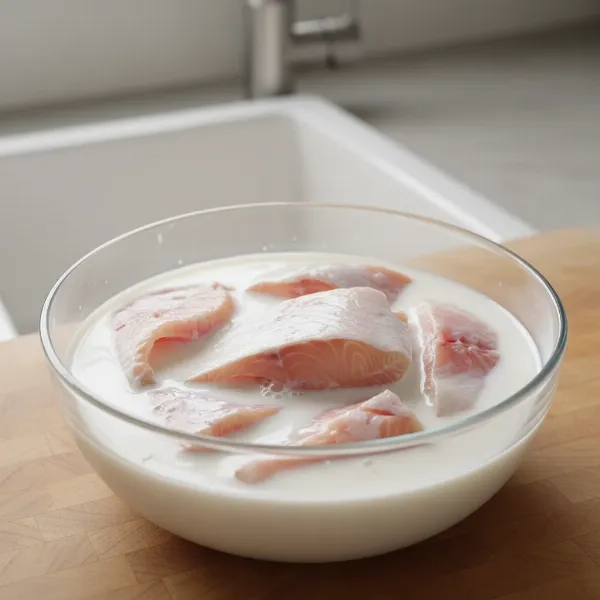 Fresh fish fillets soaking in a bowl of milk to reduce "fishy" odor before air frying.
Optimal Air Frying Techniques
The way you cook in the air fryer also plays a vital role in odor control.
- Preheat Your Air Fryer: Always preheat your air fryer to the recommended temperature. This ensures even cooking and prevents the fish from steaming initially, which can release more odor.
- Avoid Overcrowding: Cook fish in a single layer, ensuring enough space for hot air to circulate. Overcrowding traps moisture and can lead to steaming rather than crisping, potentially increasing odor. Cook in batches if necessary.
- Temperature and Time Precision: Most fish fillets cook beautifully in an air fryer at 375-400°F (190-200°C) for 10-15 minutes, depending on thickness. Always use a food thermometer to ensure fish reaches an internal temperature of 145°F (63°C) for safe consumption and optimal texture. Precision helps prevent overcooking, which can dry out the fish and intensify its smell.
- Aromatic Additions: Place thin slices of lemon, lime, or even orange directly on top of the fish during air frying. The citrus not only infuses flavor but also releases fresh aromas that subtly counteract any cooking smells.
Post-Cooking Clean-Up and Odor Elimination
The battle isn’t over when the fish is cooked. Prompt and thorough cleanup is key.
- Immediate Air Fryer Cleaning: As soon as your air fryer cools, clean the basket and drawer. Warm soapy water is usually sufficient for non-stick surfaces. Don’t let fish residue sit, as it will dry and make odors harder to remove.
- Ventilation is Your Friend: Keep kitchen windows open and the range hood running during and for at least 30 minutes after cooking. Cross-ventilation helps dissipate any lingering aromas.
- Odor Absorbers: Place a small bowl of white vinegar or baking soda on your countertop or even inside the cooled air fryer for a few hours. Both are excellent natural odor absorbers.
- Simmering Potpourri: For an extra refreshing touch, simmer a pot of water with citrus peels, cinnamon sticks, and a few cloves on your stovetop after cooking. This creates a pleasant aroma that can easily replace any subtle fish smell.
Elevating Your Dish: Recipes and Tips for Flavorful, Odor-Free Fish
With your air fryer, the possibilities for delicious, odor-free fish are endless.
Easy Air Fryer Fish Recipes
- Crispy Lemon-Herb Salmon: Season salmon fillets with salt, pepper, garlic powder, dried dill, and a squeeze of lemon juice. Air fry at 390°F (200°C) for 12-15 minutes, adding fresh lemon slices on top for the last 5 minutes.
- Flaky White Fish (Cod/Tilapia) with Paprika: Pat dry cod or tilapia fillets, lightly spray with oil, then dredge in a mix of breadcrumbs, paprika, onion powder, and a pinch of cayenne. Air fry at 375°F (190°C) for 10-12 minutes, flipping halfway.
- Mediterranean Air Fryer Halibut: Marinate halibut in olive oil, minced garlic, oregano, and cherry tomatoes. Air fry at 380°F (195°C) for 10-14 minutes until cooked through.
Flavor Boosters and Smell Reducers
- Citrus Power: Always have lemons, limes, or oranges on hand. Their zest and juice are natural odor fighters and flavor enhancers.
- Fresh Herbs: Incorporate fresh herbs like cilantro, parsley, or chives into your marinades or as a garnish. They add brightness and a fresh aroma.
- Spice Rubs: Create custom spice rubs with ingredients like smoked paprika, cumin, coriander, and chili powder. These spices create robust flavors that complement fish without intensifying the “fishy” notes.
“The secret to cooking fish without the lingering smell isn’t just about what you do during cooking, but the thoughtful steps you take before and after. Freshness, proper preparation, and immediate cleanup are paramount.”
Your Air Fryer Buying Guide for a Fresh-Smelling Kitchen
Investing in an air fryer is a wise choice for any seafood enthusiast looking to maintain a pleasant kitchen environment. When purchasing, consider these factors:
- Capacity: Match the air fryer’s capacity to your household size and typical cooking needs. A 3-5 quart model is usually sufficient for 1-2 people, while 6+ quarts is better for families.
- Wattage: Higher wattage generally means faster preheating and more consistent cooking, contributing to better results and less lingering odor.
- Ease of Cleaning: Prioritize models with non-stick baskets and removable, dishwasher-safe components. This is perhaps the most critical factor for odor management.
- User-Friendly Controls: Digital displays and preset functions can simplify cooking, reducing the chance of error (like overcooking) that can contribute to smells.
- Price and Brand Reputation: Research reputable brands known for durability and performance. While prices vary, a good air fryer is a worthwhile investment for its versatility and odor-reducing capabilities. Don’t forget to check warranty and customer service options.
Conclusion
Cooking delicious fish at home no longer needs to come with the trade-off of an unpleasant lingering odor. By embracing the power of your air fryer and integrating smart preparation, cooking, and cleanup techniques, you can transform your seafood experience. From selecting the freshest fillets and pre-soaking them in milk or citrus, to utilizing minimal oil and ensuring thorough post-cooking ventilation, every step contributes to a kitchen that smells as fresh as your meal tastes. The air fryer stands as your ultimate ally, offering a contained, efficient, and virtually odor-free way to enjoy all your favorite fish dishes.
Are you ready to elevate your home cooking and savor perfectly cooked fish without a trace of the “fishy” past?
Frequently Asked Questions
How does an air fryer prevent fish smell more effectively than traditional frying?
An air fryer significantly reduces fish smell by circulating hot air in a contained chamber, preventing volatile odor compounds from spreading into your kitchen. It also requires much less oil, minimizing the greasy residue and smoke that typically carry strong aromas during traditional pan-frying.
Can soaking fish in milk really eliminate the “fishy” odor?
Yes, soaking fish in milk for about 20-30 minutes can effectively reduce its “fishy” odor. Milk contains casein protein, which binds to trimethylamine (TMA), the compound primarily responsible for the fishy smell. After soaking, rinse the fish thoroughly and pat it dry before cooking.
What are the best spices or aromatics to use with fish to minimize smell in an air fryer?
To minimize smell and enhance flavor, use fresh aromatics like lemon or lime slices placed directly on the fish, or incorporate citrus zest into your marinades. Herbs such as dill, parsley, and cilantro, along with spices like garlic powder, onion powder, and paprika, also help create appealing aromas that counteract any potential fishiness.
How important is cleaning the air fryer immediately after cooking fish?
Cleaning your air fryer immediately after cooking fish is crucial for preventing lingering odors. Food particles and oils left in the basket can dry and stick, causing persistent smells. Prompt cleaning with warm, soapy water ensures that no residue remains to contribute to future odors.
What should I do if my kitchen still has a slight fish smell after air frying?
If a slight fish smell lingers, enhance ventilation by opening windows and running your range hood. Place bowls of white vinegar or baking soda on countertops, or simmer a pot of water with citrus peels, cinnamon sticks, and cloves on the stove. These natural remedies help absorb and mask any remaining odors effectively.