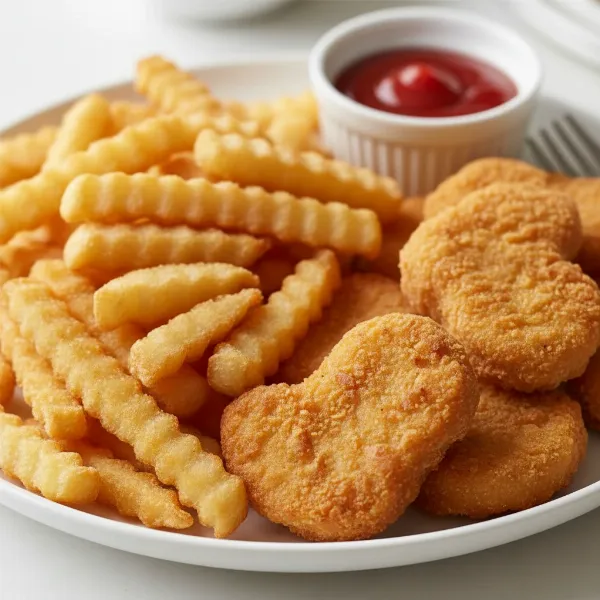
Ever wonder why some air-fried dishes turn out perfectly golden and crisp, while others are a disappointing mix of crunchy and soggy? The secret often lies in one simple, yet frequently overlooked, step: shaking the air fryer basket. This seemingly minor action holds the key to unlocking your air fryer’s full potential, ensuring every bite is uniformly delicious.
Overview of Air Fryers
The air fryer has revolutionized home cooking, offering a healthier alternative to traditional deep frying by using rapidly circulating hot air to cook food. This innovative countertop appliance simulates the results of deep frying with significantly less oil, making it a favorite for everything from crispy fries to juicy chicken wings. Its principle relies on a powerful fan that distributes intense heat evenly around the food in the basket, creating that desirable crispy exterior. While the technology is designed for efficient heat distribution, the physical arrangement of food within the basket plays a crucial role in the final outcome.
Why Shaking the Air Fryer Basket is Essential
Shaking the air fryer basket isn’t just a suggestion; it’s a fundamental technique for achieving optimal results. This action addresses several challenges inherent in air frying, ensuring your food cooks evenly, crisps thoroughly, and avoids sticking.
Even Heat Distribution and Air Circulation
|
Our Picks for the Best Air fryer in 2026
As an Amazon Associate I earn from qualifying purchases.
|
||
| Num | Product | Action |
|---|---|---|
| 1 | Ninja - XL Single Basket Air Fryer - 5.5 QT Capacity fits 3lbs of Wings - 5-in-1Air Fry, Roast, Bake,Reheat & Dehydrate -Dishwasher Safe Parts & Recipe Guide - Grey -AF150AMZ |

|
| 2 | Chefman Air Fryer – 6 QT Compact Airfryer for Quick & Easy Meals in Minutes, Features Hi-Fry Technology for Extra Crisp, Touchscreen Controls with 4 Presets, Nonstick & Dishwasher Safe Basket - Black |
|
| 3 | Ninja - Air Fryer - 4-in-1 Pro Air Fry, Roast, Reheat, Dehydrate - 5QT Capacity fits up to 4lbs of French Fries - 400F Max Temp - Nonstick Basket & Crisper Plate - 120V - Grey - AF141 |
|
| 4 | Ninja Crispi Pro 6-in-1 Glass Air Fryer - 450°F, Nontoxic, 6qt & 2.5qt Containers & Lids - Microwave, Freezer, Dishwasher Safe - Max Crisp, Air Fry, Bake, Roast, Recrisp, Dehydrate -Cyberspace AS101CY |
|
| 5 | Cosori 9-in-1 TurboBlaze Air Fryer 6 Qt, Premium Ceramic Coating, 90°–450°F, Precise Heating for Even Results, Air Fry, Roast, Bake, Broil, Dry, Frozen, Proof, Reheat, Keep Warm, 120V, Dark Gray |
|
| 6 | Ninja Air Fryer, 8 QT DoubleStack 2-Basket, Space Saving Design, Cooks 2lb Chicken Wings, Feeds up to 6 People, 6-in1 Air Fryer, Roast, Bake & More, Easy to Clean, Dishwasher Safe Parts, Black, SL201 |
|
| 7 | bella 4Qt Slim Air Fryer, Fits-anywhere™ Kitchenware, EverGood™ Ceramic Nonstick Coating, Adjustable Temperature, 6 Preset Cooking Options, 60 Min Auto Shutoff w Audible Tone, 3.3lb Capacity, Oatmilk |
|
| 8 | Chefman TurboX 4-in-1 Air Fryer, 5-Quart Airfryer for Extra Crispy Chicken, Fries, Wings, and More, Air Fry, Bake, Reheat, and Frozen Functions, Digital Touch Controls, Dishwasher Safe |
|
| 9 | Ninja - Air Fryer - 4 QT Capacity - 4-in1 Roast, Crisp, Roast, Reheats, & Dehydrates - Dishwasher Safe Parts - Includes 20 Easy & Healthy Recipes - Compact - Grey - AF101 |
|
| 10 | Cuisinart Air Fryer Toaster Oven, 1800W, 8-in-1 with Air Fry, Convection, Broil & Warm, 0.6 Cubic Feet, 60-Minute Timer, TOA-70NAS, Stainless Steel |
|
The primary reason to shake your air fryer basket is to promote consistent heat distribution and air circulation around every piece of food. Air fryers work by moving super-heated air around the cooking chamber. However, if food items are piled up or in static contact with each other or the basket, the hot air cannot reach all surfaces effectively. Shaking redistributes the food, exposing previously unexposed sides to the circulating hot air. This is especially vital for smaller items that tend to stack or clump together, guaranteeing that the hot air can brown and crisp every angle. Failing to do so can disrupt this critical airflow, leading to unevenly cooked results.
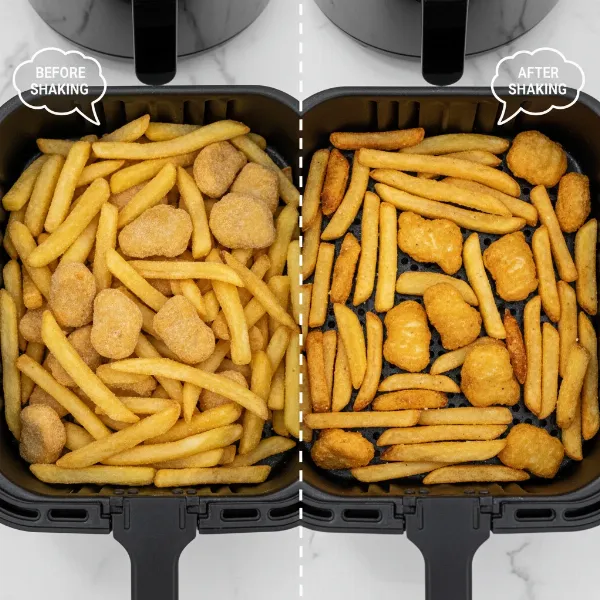 Illustration of air fryer food, half uncooked and half perfectly crispy, showcasing effect of shaking.
Preventing Uneven Browning and Crispiness
Without regular shaking, you risk ending up with food that’s beautifully crispy on top but disappointingly soft, pale, or even undercooked on the bottom or where pieces were touching. Imagine a batch of French fries: those on top might be golden and crunchy, while those buried beneath remain limp and steamed, tasting more like they were microwaved. Shaking rotates and tosses the food, allowing all surfaces to develop that coveted golden-brown hue and satisfying crunch. It prevents “hot spots” from overcooking certain areas while others remain untouched by the intense heat.
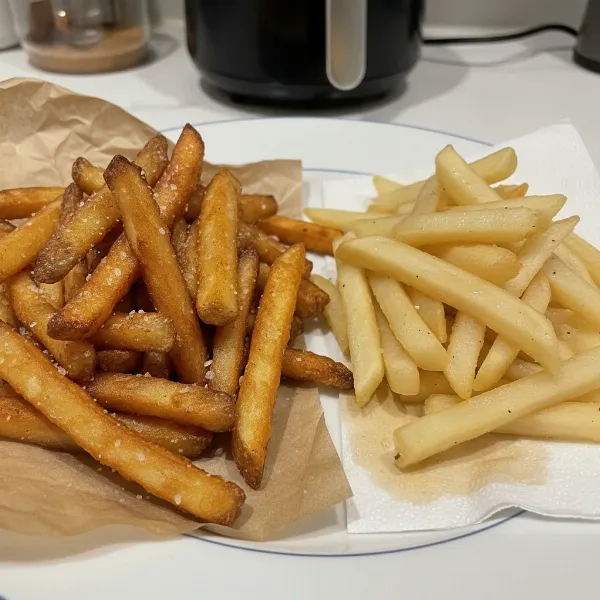 Plate with crispy golden french fries next to soft, pale, undercooked fries from not shaking.
Eliminating Sticking
Shaking also plays a crucial role in preventing food from sticking to the air fryer basket. As food cooks, its natural sugars and starches can cause it to adhere to the basket’s surface, especially as it browns. A quick shake or toss helps release these pieces, ensuring they cook freely and prevent tearing or breaking when you remove them. This is particularly beneficial for delicate items or those with a natural tendency to stick.
When and How to Shake Your Air Fryer Basket
Knowing when and how often to shake is as important as knowing why. The general recommendation is to shake the basket at least once midway through the cooking process. However, the frequency can vary depending on the type and quantity of food you’re preparing.
Timing and Frequency
For most smaller items like French fries, chicken nuggets, tater tots, or chopped vegetables, aim to shake the basket every 5-7 minutes, or at least two to three times during the total cooking duration. For larger items like chicken thighs or fish fillets, a single flip halfway through might suffice, though a gentle shake can still help. Many air fryer recipes will specify “shake halfway,” which serves as a good baseline. Some advanced air fryers even come with a “shake reminder” feature to prompt you. If yours doesn’t, consider setting a timer on your phone or simply using the halfway point of the cooking cycle as your cue.
Best Practices for Shaking
- Remove the Basket Safely: Always pull the entire basket out of the air fryer. Avoid reaching in with utensils while the unit is operating to prevent burns or accidental contact with the heating element.
- Gentle but Firm Shake: For smaller, sturdy items, you can give the basket a vigorous shake from side to side or up and down to toss the contents. For more delicate foods, gently toss them or use silicone-tipped tongs or a spatula to move them around.
- Check Progress: This is an opportune moment to check on your food’s progress. Observe the color, crispiness, and how evenly it’s cooking. If some pieces are browning faster than others, try to redistribute them more strategically.
- Avoid Overcrowding: While shaking helps, it’s not a magic bullet for an overcrowded basket. Overfilling your air fryer significantly hinders air circulation, making even constant shaking less effective. Cook in batches if necessary, ensuring food is in a single layer or at least not stacked too densely.
- Re-insert and Resume: Once shaken, simply slide the basket back into the air fryer to resume cooking.
The Impact of Not Shaking
Neglecting to shake the basket can lead to several undesirable outcomes:
- Inconsistent Texture: You’ll end up with a mix of crispy, soft, and even chewy textures in the same batch of food.
- Uneven Cooking: Parts of your food may be perfectly done, while others remain undercooked.
- Burnt Spots: Some pieces, especially those directly facing the heating element without being moved, can burn while others remain pale.
- Sticking: Food can stick to the bottom of the basket, making cleanup more difficult and potentially damaging the non-stick coating over time.
- Suboptimal Flavor: The full flavor potential is only reached when food is evenly cooked and properly browned. A lack of shaking can lead to less developed flavors and an unappetizing appearance.
“Many home cooks underestimate the power of a simple shake. It’s not just about turning the food; it’s about re-engaging every surface with that powerful circulating heat, which is the core of what makes air fryers so effective.” – Chef Maria Rodriguez, Culinary Instructor & Air Fryer Enthusiast
Beyond Shaking: Other Air Frying Tips for Ultimate Crispiness
While shaking is paramount, combine it with these other best practices for truly exceptional air-fried dishes:
- Don’t Overcrowd: As mentioned, space is crucial. Cook in smaller batches if needed to allow hot air to circulate freely around each piece.
- Preheat Your Air Fryer: Just like an oven, preheating ensures your air fryer is at the optimal temperature when you add food, leading to better searing and crisping.
- Use a Little Oil: A light coating of oil (often a spray) can significantly aid in crisping and browning. This minimal oil helps achieve that desired fried texture.
- Pat Food Dry: Excess moisture is the enemy of crispiness. Patting foods like potatoes or chicken wings dry before air frying helps them crisp up rather than steam.
- Avoid Wet Batters: Air fryers are not ideal for traditional wet batters that drip. Opt for breaded coatings or light oil sprays instead.
Conclusion
The air fryer is a fantastic tool for creating delicious, crispy meals with less oil. However, its full potential is only realized when you understand and implement key techniques. Shaking the basket while cooking is arguably the most critical of these techniques. It ensures even heat distribution, prevents uneven browning, and stops food from sticking, transforming your meals from good to great. So, the next time you fire up your air fryer, remember to give that basket a good shake. Your taste buds will thank you!
Frequently Asked Questions
Why do air-fried foods sometimes come out soggy?
Soggy air-fried food is often a result of overcrowding the basket, which traps steam and prevents proper air circulation and crisping, or not shaking the basket frequently enough. Ensure adequate space between food items and shake them regularly.
Can I use parchment paper or foil in my air fryer?
Yes, but use perforated parchment paper liners designed for air fryers to ensure proper airflow. Avoid covering the entire basket with foil or non-perforated parchment, as this blocks air circulation and can hinder crisping.
How often should I shake the basket for optimal crispiness?
For smaller items like fries or chopped vegetables, shaking every 5-7 minutes or at least twice during the cooking cycle is generally recommended. For larger items, a single flip halfway through might be sufficient to ensure even cooking and browning.
What kind of foods benefit most from shaking?
Foods that are smaller in size and tend to pile up or stick together benefit most from shaking. This includes French fries, tater tots, chicken nuggets, onion rings, chopped vegetables, and smaller protein pieces.
Does shaking apply to all air fryer models?
Yes, the principle of shaking the basket for even cooking and crispiness applies to virtually all basket-style air fryers, regardless of brand or model. The core mechanism of circulating hot air requires food movement to ensure all surfaces are exposed.